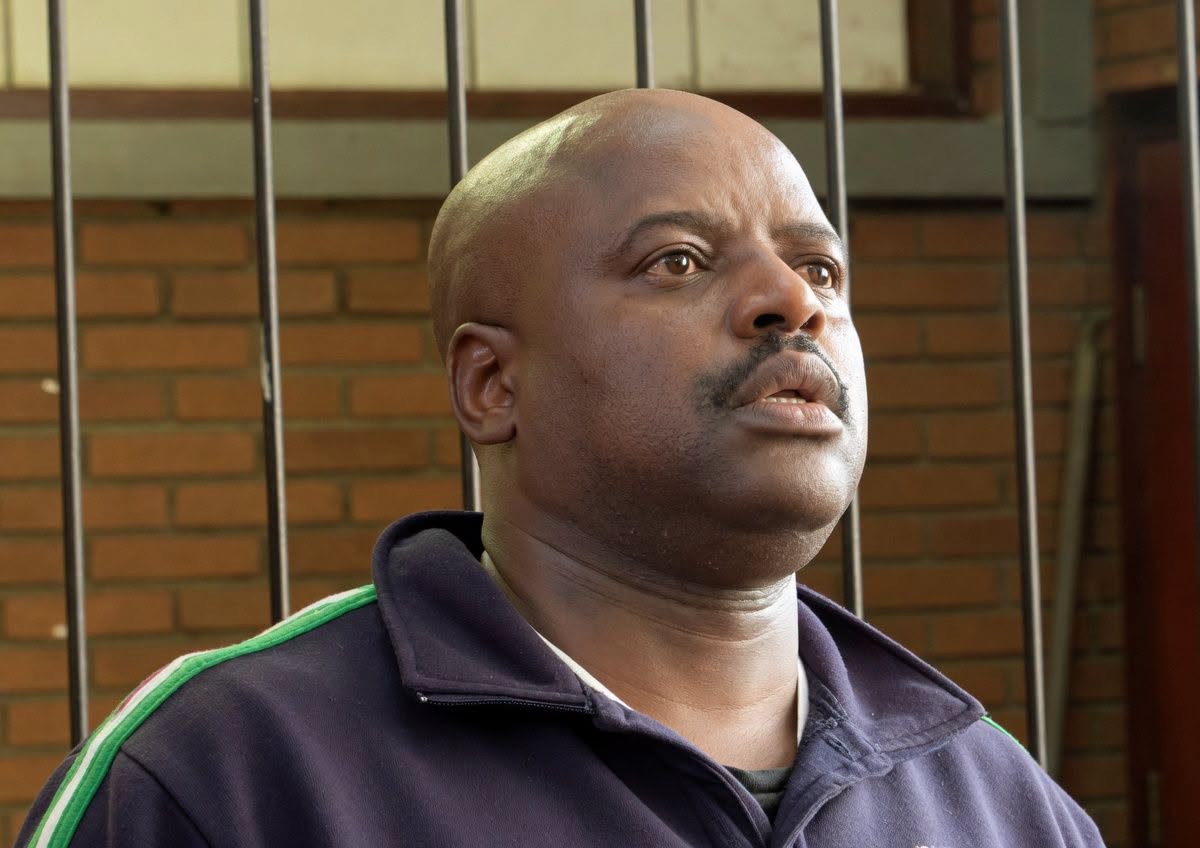
Ammunition has been recovered from the home of Julius Mkhwanazi, the suspended Deputy Chief of the Ekurhuleni Metropolitan Police Department, following his arrest over the weekend, according to confirmation from State authorities. The discovery has triggered a fresh investigation into whether Mkhwanazi possessed the ammunition legally, with potential additional charges hanging in the balance depending on what investigators uncover in the coming weeks.
This development adds another layer of complexity to what was already a serious matter. The ammunition seizure represents the kind of finding that can substantially alter the trajectory of a criminal case, particularly when the accused holds — or held — a senior position within law enforcement. Our sources indicate that the State is taking this discovery seriously and treating it as a significant piece of evidence in their broader investigation.
The Ekurhuleni Metropolitan Police Department has found itself under considerable scrutiny in recent times, and Mkhwanazi’s suspension from his deputy chief position underscores the gravity with which the department and provincial authorities are treating these allegations. For a senior police official to face such serious questions sends a stark message about accountability within the ranks of South African law enforcement structures.
Ammunition charges and legal complications facing suspended police deputy
What makes the ammunition discovery particularly consequential is the technical legal question that now confronts investigators: was Mkhwanazi properly licensed and authorised to possess these materials? South Africa’s Firearms Control Act is unambiguous on this point — ammunition possession without proper authorisation carries criminal penalties that can result in substantial jail time and hefty fines. The State’s decision to investigate this angle suggests they may already suspect the ammunition was illegally held.
If investigators determine that Mkhwanazi lacked the requisite legal authorisation to possess the ammunition, prosecutors will almost certainly pursue additional charges beyond whatever offences he was originally arrested for over the weekend. This could transform what might have been a single-count charge into a multi-count indictment, significantly complicating his legal position.
The recovery of ammunition from the home of a suspended police deputy raises uncomfortable questions about weapons management, chain of custody procedures, and internal oversight within the EMPD itself. When senior officers face allegations of illegal ammunition possession, it naturally invites broader scrutiny of how the department handles firearms and related materials generally.
As we reported earlier on similar cases involving law enforcement officials, these situations often attract intense media attention and public interest precisely because they touch on fundamental questions about who polices the police. South Africans expect their law enforcement leadership to model exemplary compliance with the very laws they’re sworn to enforce — when that expectation is violated, public trust erodes quickly.
Mkhwanazi’s legal team will presumably argue that if ammunition was discovered, it was either lawfully possessed or was planted, depending on their defence strategy. However, the burden will rest heavily on the defence to produce documentation proving legal ownership and proper licensing. Without such documentation, the State’s case appears straightforward from a procedural standpoint.
The investigation’s progress will likely unfold over the coming weeks, with the investigating officers tasked with determining the exact nature of the ammunition found, whether Mkhwanazi held valid firearms licenses, and whether the ammunition’s presence was consistent with any lawfully-held firearms. This granular investigative work will prove crucial to the State’s case and to Mkhwanazi’s defence.
For now, the ammunition discovery at the suspended deputy chief’s residence stands as a significant complicating factor that prosecutors will leverage as they build their case. The coming legal proceedings will reveal whether these charges stick and what consequences ultimately face Mkhwanazi, but the initial indication from the State’s swift confirmation of the find suggests they believe they’ve uncovered something consequential.