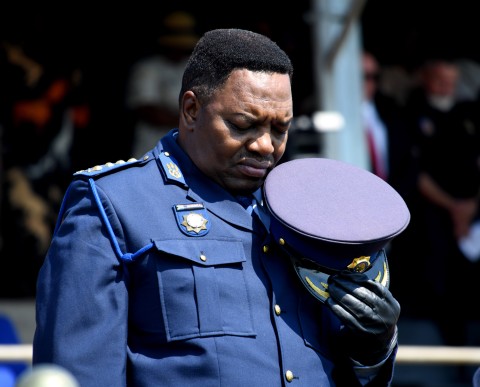
Senior police leadership in South Africa faces mounting pressure as suspended Mpumalanga police commissioner Daphney Manamela has levelled serious allegations against National Police Commissioner Fannie Masemola, claiming he has shielded corrupt officers and derailed critical investigations into organised crime and financial misconduct. The accusations, which we’re following closely, paint a troubling picture of alleged interference at the highest levels of the South African Police Service at a time when public trust in the institution remains fragile.
Manamela has stated publicly that her own suspension came directly after she took action against extortion and corruption within her provincial jurisdiction. According to her account, a specialised task team that was investigating serious crimes in the province was dismantled shortly after she moved against these illicit activities. The timing, she suggests, was no coincidence—and raises uncomfortable questions about whether legitimate anti-corruption work is being actively undermined from the national office.
The allegations don’t stop there. Manamela has also made the extraordinary claim that Masemola and a senior officer allegedly accepted a substantial bribe linked to a prominent murder investigation and a separate corruption case. Both officials have firmly and categorically denied these accusations, but the very fact that such claims are being made publicly by a serving police leader suggests deep institutional fractures that cannot simply be dismissed or ignored.
The police service’s official response has acknowledged the gravity of what’s being alleged. In a statement, police management confirmed that these accusations are serious in nature and warrant thorough investigation. However, there remains a critical gap between acknowledging allegations and actually resolving them—a gap that South Africans have grown all too familiar with over recent years.
Masemola faces fresh legal troubles amid corruption investigation claims
What makes the current situation even more complex is that Masemola is scheduled to appear in the Pretoria magistrate’s court this week in connection with the controversial R360-million Medicare24 tender, a separate procurement matter that has already attracted significant scrutiny and public concern. This upcoming court appearance adds another layer to questions about the commissioner’s conduct and judgment, even as he denies all allegations of impropriety.
The broader implications here are substantial. If a police commissioner at national level is genuinely obstructing investigations and protecting officers engaged in corrupt practices, then the entire institutional architecture meant to tackle crime and hold officials accountable becomes compromised. This isn’t simply an internal disciplinary matter—it’s a systemic integrity issue that affects the police service’s credibility with the public and its capacity to function effectively.
Manamela’s willingness to speak publicly about her suspension and the alleged reasons for it suggests she believes the stakes are too high for quiet back-channel negotiations. She appears determined to ensure that these matters receive public scrutiny and formal investigation, rather than being quietly swept aside through internal processes that might lack independence or transparency. Whether her allegations prove substantiated or not, they’ve certainly opened a conversation that the police service and our government cannot afford to ignore.
What we’re witnessing is a critical moment for the South African Police Service. The allegations of protection of corrupt officers and interference in investigations strike at the heart of institutional credibility, and they demand more than promises to investigate—they require transparent, independent, and genuinely accountable processes that restore public confidence in the institution’s leadership. Until these matters are resolved convincingly and publicly, the question of whether South Africa’s police service can truly lead the fight against corruption will remain unanswered.