A case that reads like something straight out of a crime thriller has unfolded in South African courts, involving allegations of court impersonation, bribery, and a desperate attempt to dodge justice. Kagiso Lerutla stands accused of orchestrating an elaborate scheme to avoid appearing in court after failing to show up for a speeding case, allegedly enlisting the help of a senior police officer and paying a substantial sum to have someone take his place in the dock.
The chain of events began in March 2019, when Lerutla was arrested for a routine traffic violation. He was released on bail pending his court appearance, but the critical moment came when he simply didn’t show up. Rather than face the music himself, investigators claim he took a calculated gamble—one that would eventually land him in far deeper legal trouble than the original speeding charge ever could have.
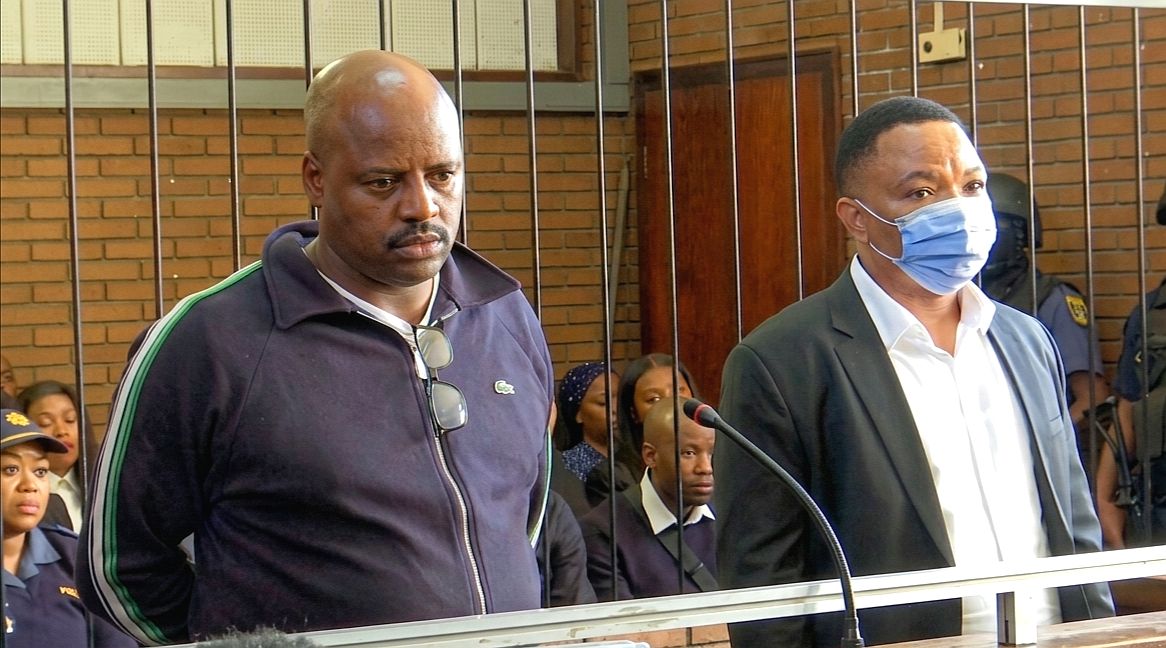
The prosecution’s case hinges on allegations that Brigadier Julius Mkhwanazi, a high-ranking police officer, became instrumental in Lerutla’s alleged scheme. Court documents suggest the two men arranged for an impersonator to appear in Lerutla’s stead, effectively deceiving the judicial system. The State further alleges that R400,000 in cash exchanged hands to grease the wheels of this operation, with the money allegedly split between Mkhwanazi and the impersonator.
What makes this case particularly striking is how the impersonation plot appears to have unravelled. The stand-in reportedly participated in a court-ordered diversion programme, a system designed to keep offenders out of the criminal justice system through rehabilitation. However, commitment to the programme was short-lived—the impersonator attended just one community service session before abandoning it entirely, leaving a paper trail for prosecutors to follow.
Court impersonation allegations paint picture of desperation in South African justice system
The State’s narrative takes another intriguing turn when it comes to Lerutla’s actual whereabouts during this period. Rather than hiding or lying low, prosecutors contend that he was preoccupied with something far more ambitious—a job interview for a metropolitan Chief Financial Officer position. This detail, if proven, would suggest that Lerutla wasn’t fleeing justice out of fear, but rather prioritising career advancement over his legal obligations.
The implications of these allegations extend well beyond a single case. If substantiated, they would represent a flagrant breach of public trust, involving not just a civilian but a serving police officer at brigadier rank. The involvement of someone in Mkhwanazi’s position raises uncomfortable questions about corruption within law enforcement and the vulnerability of South African courts to manipulation by those with connections and resources.
Court impersonation cases are rare but serious matters in our legal system. They strike at the heart of judicial integrity and the rule of law. When someone can allegedly walk into court and literally become another person—with the connivance of law enforcement, no less—it undermines the entire framework upon which our justice system depends.
The details as presented by the State paint a picture of calculated deception. The decision to involve a brigadier suggests that Lerutla believed he had access to institutional support. The sizeable cash payment indicates a transaction between serious players, not a desperate ad hoc arrangement. And the attempted cover-up through a diversion programme suggests someone understood court procedures well enough to game the system.
As these allegations move through the courts, the case will likely serve as a test of how seriously our judicial authorities take such breaches. Court impersonation, corruption allegations involving police officers, and bribery are not matters that can be brushed aside or minimised. The outcome will send a powerful message about whether our courts can effectively police their own sanctuaries and hold even high-ranking officials accountable.
For now, Lerutla and Mkhwanazi remain at the centre of what may be one of the most audacious attempts to circumvent justice that SA courts have seen in recent times. Whether the allegations can be proven beyond reasonable doubt, and whether justice ultimately prevails, remains to be seen.