South Africa’s pan-African fibre connectivity giant Liquid Intelligent Technologies has pulled off a dramatic financial manoeuvre, securing a US$660-million (R10.8-billion) refinancing package that pushes back the immediate threat of default — though the cost of borrowing has become substantially steeper in the process. The company faced a precarious situation just months ago, with aggressive credit downgrades and mounting debt maturities creating genuine anxiety about its financial viability. Now, with fresh capital in hand and breathing room restored, Liquid must prove it can actually generate the cash needed to service debt at borrowing costs that have nearly doubled.
The heart of this rescue operation is a US$300-million senior secured bond, listed on Euronext Dublin and maturing in 2031, which replaces an older US$620-million bond that was set to mature in September. The catch? That older bond carried a coupon of just 5.5% annually, whereas the new bond was priced at a punishing 10.75% per year. Put bluntly, Liquid has paid a heavy premium to avoid a debt crunch, and that’s a cost the company will carry for the next six years.
Alongside the Euronext-listed bond, Liquid assembled a more complex financing structure. A US$150-million dollar-denominated syndicated term loan came together through Ninety One — via its Emerging Africa and Asia Infrastructure Fund — along with Mauritius Commercial Bank. On the local front, Nedbank, Rand Merchant Bank, Standard Bank, and the International Finance Corporation provided a separate US$210-million rand-denominated syndicated term loan. To sweeten the deal and provide additional cushion, parent company Cassava Technologies injected US$195-million in fresh equity into the subsidiary.
The scale of this refinancing tells you something about the pressure Liquid was facing. As of August 2025, the company had just US$131-million outstanding on a rand-denominated term loan due in February 2026, but coupled with that US$620-million bond maturity looming in September, the company faced a genuine liquidity wall. Credit rating agencies had been merciless in their assessment. Moody’s downgraded Liquid’s corporate family rating from Caa1 to Caa2 in November 2025, citing mounting concerns about the company’s ability to refinance those debts. Fitch had gone even further, downgrading the company to CCC+ in July 2024, warning that the company might struggle to generate sufficient cash flow to cover its obligations.
Liquid Intelligent Technologies navigates toward stability after brutal debt refinancing
These were not abstract financial metrics — they translated into real operational stress. Regional media reported retrenchments and strain at the company, which had expanded rapidly across more than 25 African countries but now faced a considerably harsher funding environment. The downgrades placed Liquid deep in sub-investment-grade territory, the kind of credit status that makes raising new capital exponentially more difficult. Yet the company needed to act, and act decisively, to avoid a potentially catastrophic default that could have unravelled its operations across Africa.
What ultimately made this deal possible was a combination of strategic positioning and genuine belief in Liquid’s long-term value. Fitch upgraded Liquid ahead of the bond launch, and Moody’s placed the issuer on review for upgrade — moves that signalled confidence was returning and helped smooth the path through what would otherwise have been a deeply sceptical market. The bond was oversubscribed 2.5 times, suggesting investors ultimately felt comfortable with the risk-reward profile once the dust settled.
Development finance institutions played a crucial anchoring role in the deal. Germany’s DEG was among the major anchor investors, a signal that reflects institutional conviction about Liquid’s strategic importance to Africa’s digital infrastructure expansion. That DFI backing matters enormously because these institutions think in decades, not quarters — they’re betting that Liquid’s 115,000-kilometre fibre network spanning the continent is foundational to Africa’s digital future. The company has diversified beyond pure fibre connectivity too, expanding into cloud services and cybersecurity partnerships with global players. Parent company Cassava Technologies has been positioning Liquid’s data centre and AI infrastructure assets as the platform for a broader growth push across the continent.
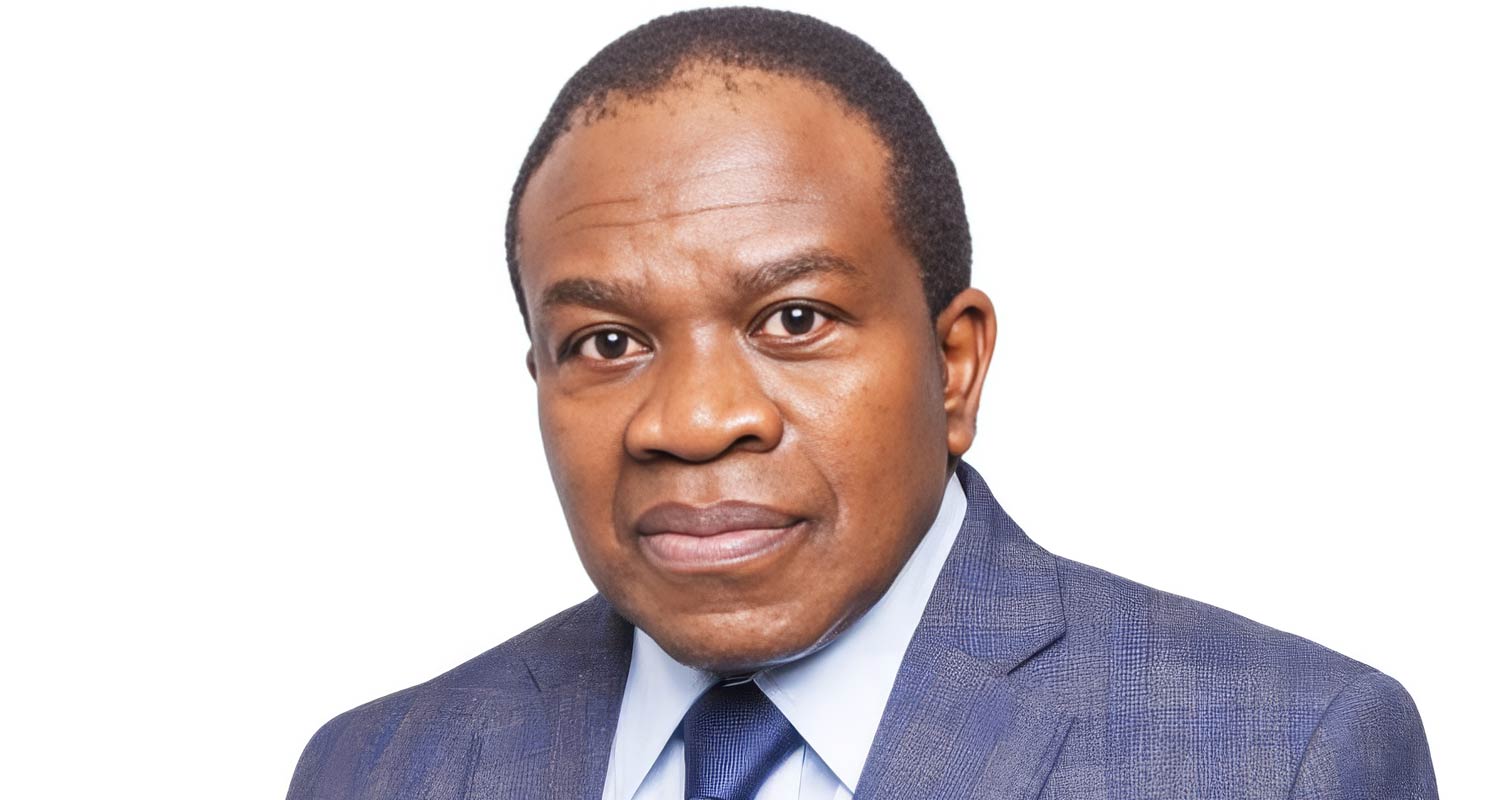
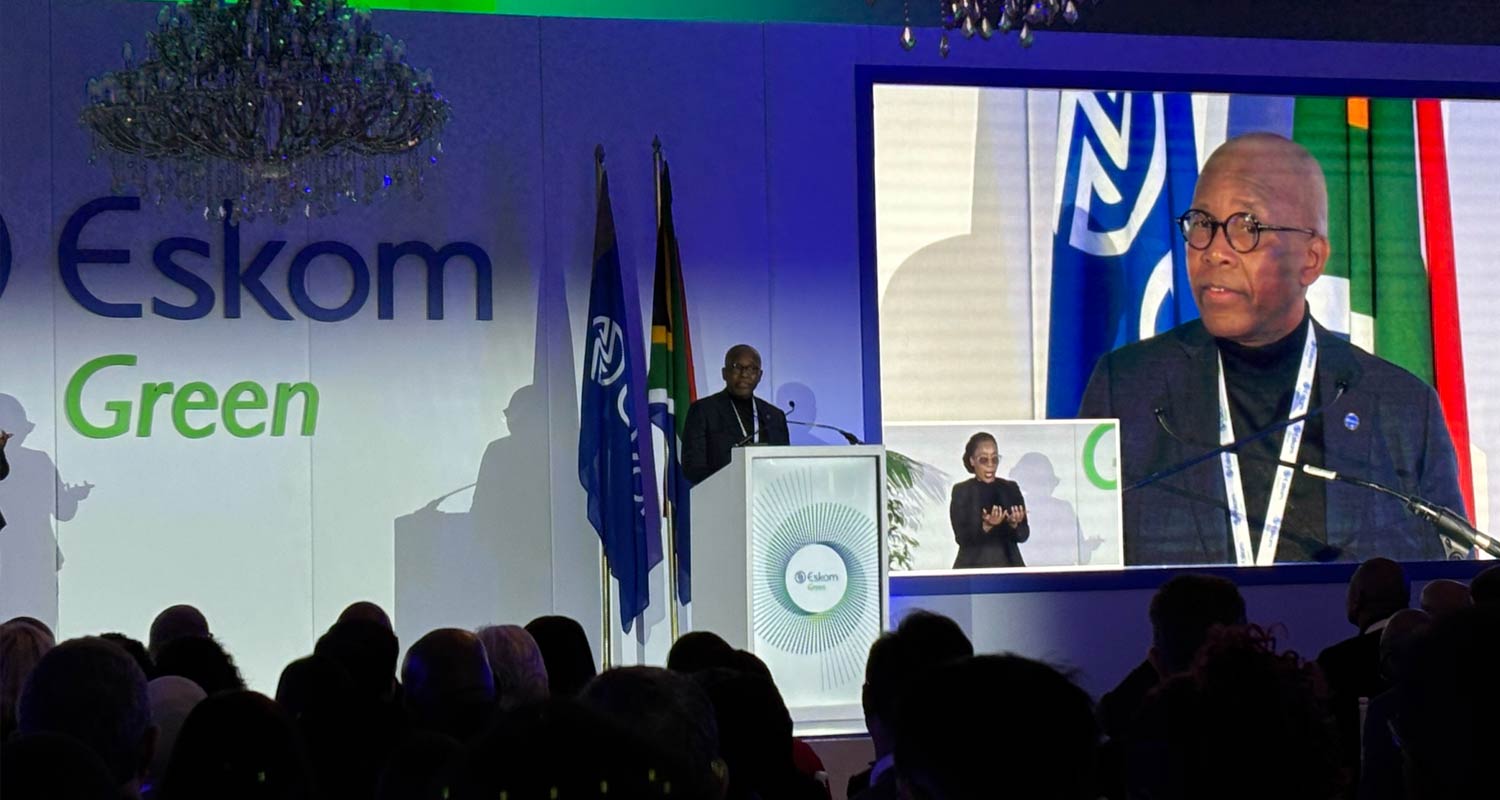
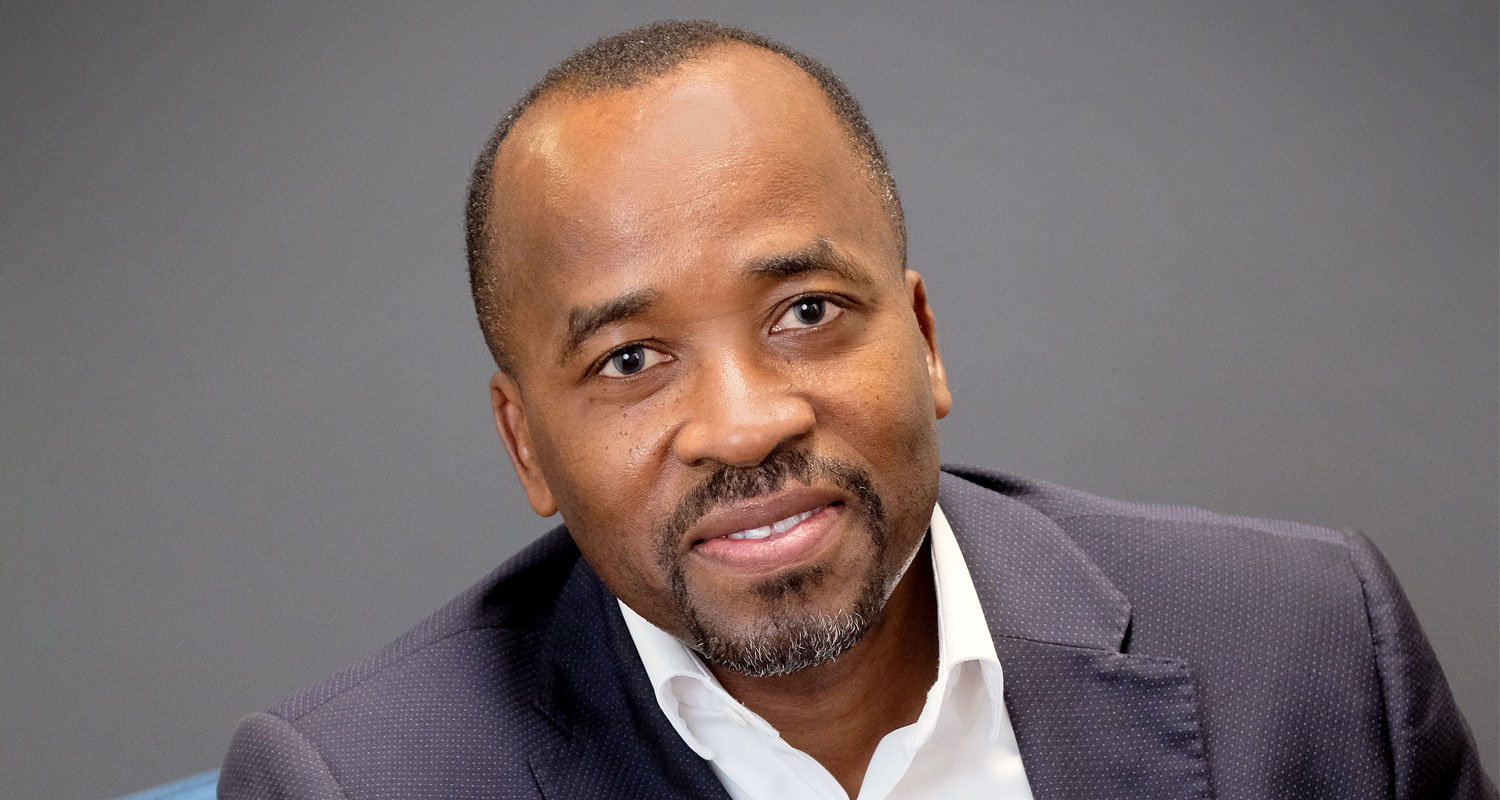
Hardy Pemhiwa, who serves as both group CEO of Liquid and president and group CEO of parent company Cassava Technologies, characterised the refinancing as “a significant milestone, not just financially, but strategically”. In a statement to markets, Pemhiwa noted that “a stronger, more sustainable balance sheet gives Liquid the platform it needs to pursue the full scope of digital transformation opportunities across Africa, from fibre and cloud to cybersecurity and AI-enabled infrastructure.” That’s an optimistic framing, but the real test now lies in execution — can Liquid actually generate the cash flow needed to service debt that’s nearly doubled in cost?
The refinancing has bought time and provided breathing room, but it hasn’t solved the underlying challenge. Liquid remains in a fragile position where every operational setback risks triggering renewed concerns about debt service capacity. The company’s African expansion has given it valuable scale and geographic diversity, yet it operates in markets where regulatory environments remain volatile and competition is intensifying. JPMorgan, Rand Merchant Bank, and Standard Bank coordinated the deal as joint global coordinators, reflecting genuine confidence from major financial institutions that this restructuring can work. But ultimately, Liquid’s future depends not on what bankers believe about the deal, but on whether the company can deliver the sustained cash generation required to justify borrowing costs that have become genuinely onerous.