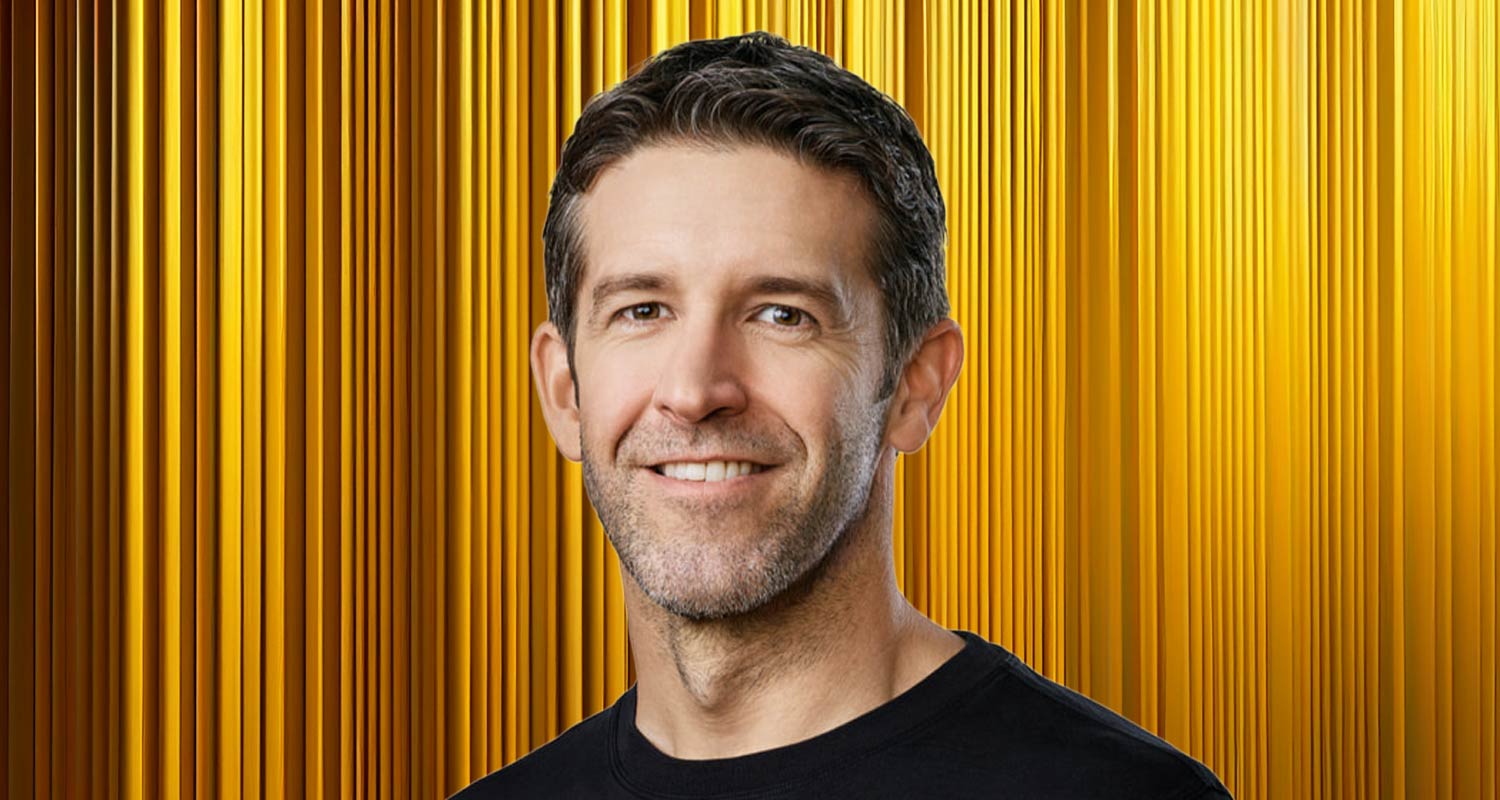
Apple’s incoming CEO John Ternus represents a dramatic shift in the company’s approach to artificial intelligence — and potentially its entire strategic direction. While Microsoft and Google pour hundreds of billions into splashing AI across everything they touch, the man destined to steer Apple from 1 September 2026 onwards shows a markedly different philosophy. He doesn’t chase technology for its own sake. Instead, he builds products that happen to use technology brilliantly.
The distinction matters profoundly. When Ternus, now 50, spoke recently about AI strategy, he cut straight to it: “We never think about shipping a technology. We always think about how can we leverage technology to ship amazing products.” That’s not corporate jargon — it’s a worldview that separates Apple from its rivals in Silicon Valley and beyond.
Right now, Apple finds itself in unfamiliar territory. The Cupertino giant lost its crown as the world’s most valuable company to Nvidia, a breathtaking reversal that reflects investor anxiety about whether Apple truly understands the AI moment. The delayed rollout of a revamped Siri assistant, coupled with Apple’s reliance on Google for the underlying AI, has prompted serious questions from analysts about the company’s strategic clarity in an intelligence-first era.
Yet iPhone sales haven’t collapsed. This is where Ternus’s appointment becomes genuinely consequential. Technology experts warn that advances in AI could represent a once-in-a-generation disruption that threatens to displace the smartphone from its central position in our lives. Samsung, OpenAI, and Meta — through its Ray-Ban smartglasses — are all circling, sensing vulnerability.
How John Ternus will reshape Apple’s AI strategy
Francisco Jeronimo, vice president of client devices at research firm IDC, frames the challenge with surgical precision: “The question is whether he has the appetite for the kind of bold, occasionally uncomfortable decisions that defining a new platform requires. Building great hardware is a well-defined problem. Building an AI platform that developers and enterprises genuinely adopt is a different challenge entirely.”
Ternus arrives not as an outsider or a visionary parachuted in from elsewhere. He’s a 25-year Apple veteran who started his career designing external displays and has spent three decades proving that exceptional hardware engineering is Apple’s truest competitive weapon. His entire trajectory at Apple demonstrates a preference for perfectionism over flash, durability over disruption for its own sake.
When discussing Apple’s push toward recycled materials in 2023, Ternus came across as thoughtful and precise — someone who understands not just what his teams build but how global supply chains actually function. Speaking to Reuters, he demonstrated the kind of grounded expertise that doesn’t sell well in venture capital pitch decks but carries enormous weight inside a company serious about execution.
His commencement address at the University of Pennsylvania in 2024 revealed his personal philosophy. Ternus told engineering graduates to “always assume you’re as smart as anyone else in the room, but never assume that you know as much as they do” — a statement that blends confidence with intellectual humility. He wasn’t performing for an audience; he was sharing a hard-won principle that has shaped his three decades at Apple.
One story crystallises his approach perfectly. Early in his career, Ternus stayed late arguing with a supplier over the grooves on a screw destined for the back of a monitor — a component almost no customer would ever see. The supplier had delivered 35 grooves instead of the specified 25. “If you’re going to spend that much time on something, you should put in your very best effort,” he explained. That’s not obsessive-compulsive disorder masquerading as excellence. That’s the engineering ethos that built the Apple brand.
Colleagues across Apple speak of him with genuine warmth. Ben Bajarin, analyst at Creative Strategies, noted: “Everyone loves him at Apple. All the execs I know speak very highly of him.” This isn’t common at the executive level of a company as large and politically complex as Apple. The fact that Ternus has somehow avoided the usual bloodletting and backstabbing that precedes CEO succession speaks volumes about his standing.
In philosophical temperament, Ternus bears closer resemblance to Steve Jobs than to his predecessor Tim Cook. Both men were fundamentally uninterested in technology as an end in itself. Jobs articulated it perfectly: “You have to start with the customer experience and work back towards the technology — not the other way around.” Ternus worked under Jobs early in his Apple career, and that influence clearly took root.
His track record with hardware innovation is formidable. Ternus has overseen the development of some of Apple’s most significant products — the iPad, AirPods, and most recently the ultra-thin iPhone Air and the MacBook Neo, a laptop priced at just US$599 by using the same processor as the iPhone 16 Pro. These aren’t accidents. They represent deliberate choices about where to innovate and where to consolidate.
The Apple silicon transition stands as perhaps his greatest test to date. Ternus steered the Mac line onto Apple-designed processors, ending over a decade of Intel dependence. This was a genuine gamble — the sort of decision that could have exposed Apple as hubris-stricken and arrogant. Instead, the move proved transformative. Macs became thinner, faster, and more power-efficient. Sales surged. Speaking to CNBC in 2023, Ternus captured the moment perfectly: “It was almost like the laws of physics had changed.”
As Ternus prepares to inherit Apple’s leadership, the central question isn’t whether he understands technology — he obviously does, at an extraordinarily deep level. It’s whether he possesses the strategic imagination to build an AI platform that genuinely matters, rather than one that simply chases the trends dominating venture capital. Given his demonstrated philosophy and track record, expect Apple’s approach to artificial intelligence to remain shaped by one principle above all: the technology exists to serve the product, never the other way around.