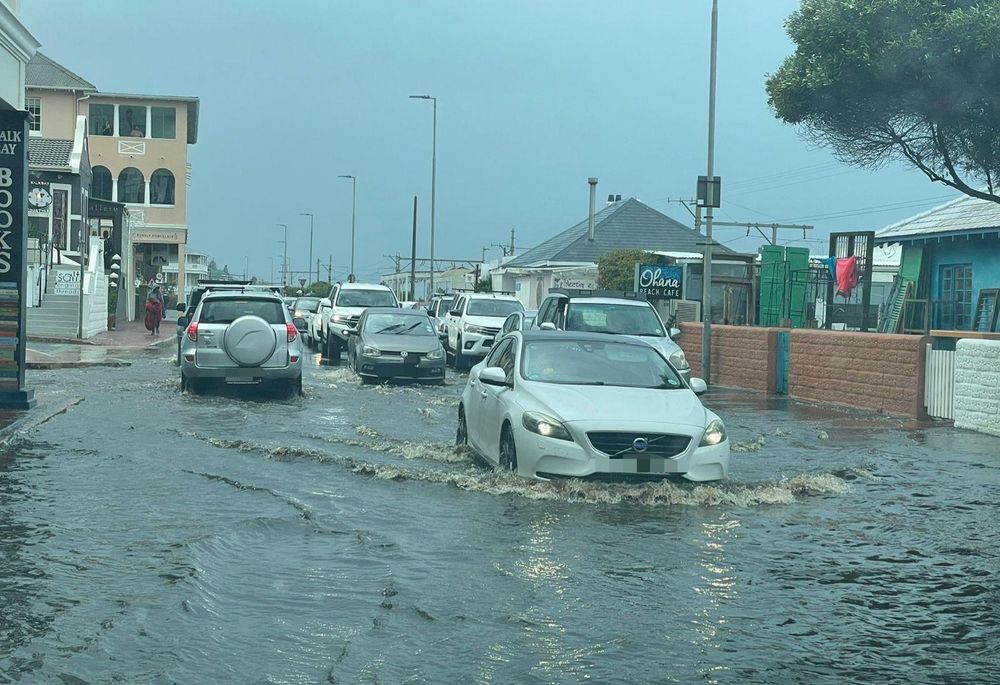
Several communities across the Cape Peninsula’s southern reaches have been left grappling with the aftermath of a severe weather system that battered the region over the weekend, bringing with it heavy downpours, gale-force winds, and widespread flooding that caught many residents off guard. From Masiphumelele to Fish Hoek, Ocean View to Kalk Bay, social media platforms and community messaging groups have been flooded with troubling footage of submerged roads and waterlogged homes, painting a picture of a region caught in nature’s crosshairs. The South African Weather Service (SAWS) had issued prior warnings about the incoming system, but the reality on the ground proved severe, affecting both formal residential areas and vulnerable informal settlements across the metro.
The meteorological warnings issued ahead of the weekend had flagged the serious nature of the weather pattern bearing down on the south-western Cape. Rainfall accumulations between 30mm and 60mm were forecast to fall across the region, with particularly heavy concentrations expected over mountainous terrain. However, what made these predictions particularly concerning wasn’t just the volume of rain expected, but the specific risks they posed to the area’s vulnerable communities and ageing infrastructure.
The City of Cape Town’s Disaster Risk Management Centre confirmed that the warnings proved accurate, with widespread flooding reported right across the metro during the weekend deluge. Official assessments have since identified that the most severe impacts were concentrated in informal settlements, where residents face heightened vulnerability during such events. According to Sonica Lategan, spokesperson for the Disaster Risk Management division, the primary issues reported from these areas centred on leaking roofs and waterlogged floors, with families left exposed to the elements during the height of the storm.
Weekend flooding in Cape Town puts spotlight on city’s weather preparedness
The City’s response was swift, though naturally stretched thin given the geographic spread of the flooding. Road Infrastructure Management teams were mobilised to distribute sand and milling materials to the worst-affected areas, attempting to create temporary barriers against the encroaching water. Simultaneously, the Informal Settlement Management Branch distributed plastic sheeting to vulnerable residents attempting to shore up their makeshift homes against the deluge. These emergency measures, whilst appreciated by those receiving assistance, underscored the fragility of housing conditions in many parts of the metro.
Beyond residential areas, the region’s road network bore the brunt of the weather system’s fury. Simon’s Town experienced particularly acute challenges, with heavy downpours overwhelming local drainage systems and leaving key thoroughfares essentially impassable. The Main Road corridor saw significant congestion as traffic was diverted via Soldier’s Way, whilst congestion also built up around the Glencairn Expressway area. City officials were deployed to manage the resulting traffic chaos, working in difficult and dangerous conditions to keep vehicular movement flowing as smoothly as possible under the circumstances.
The power infrastructure also suffered considerably during the weekend’s weather assault. The City reported exceptionally high volumes of service requests related to electricity faults, with the combination of heavy rain and high wind speeds creating an inherently perilous environment for electrical technicians attempting repairs. Despite these dangers, energy teams remained deployed across affected areas, working urgently to restore power to homes and businesses left in darkness. City communications acknowledged the frustration of residents whilst explaining that dangerous weather conditions necessarily slowed restoration times.
Beyond the immediate emergency response phase, humanitarian organisations have begun preparing for what promises to be an extended recovery period. Living Hope, a local aid organisation, indicated that their teams were initially unable to deploy due to the extent of waterlogging across affected zones. The organisation’s leadership made clear that the coming weeks and months would likely see an escalation in humanitarian needs as the full impact of the flooding becomes apparent. Clothing and bedding are already being flagged as critical shortages, as residents whose homes were inundated find their personal belongings destroyed or rendered unusable by water damage.
The City’s Disaster Risk Management has urged residents to take proactive measures to safeguard their homes ahead of future weather events. Ms Lategan specifically recommended that residents ensure adequate waterproofing, secure loose outdoor items that could become projectiles in high winds, and consider raising floor levels or deploying sandbags to prevent water ingress. For residents requiring emergency assistance during future weather events, the City’s Public Emergency Communication Centre number is 021 480 7700 — a contact residents are being encouraged to save on their phones for quick access during crises.
As the region moves past the immediate crisis phase, attention is shifting towards understanding what this weekend’s severe weather tells us about the city’s broader climate resilience and infrastructure adequacy. The flooding that affected so many communities across the Cape Peninsula serves as a sobering reminder that extreme weather events are becoming an increasingly familiar feature of our local climate reality, and that both individual preparedness and systemic planning must evolve accordingly.