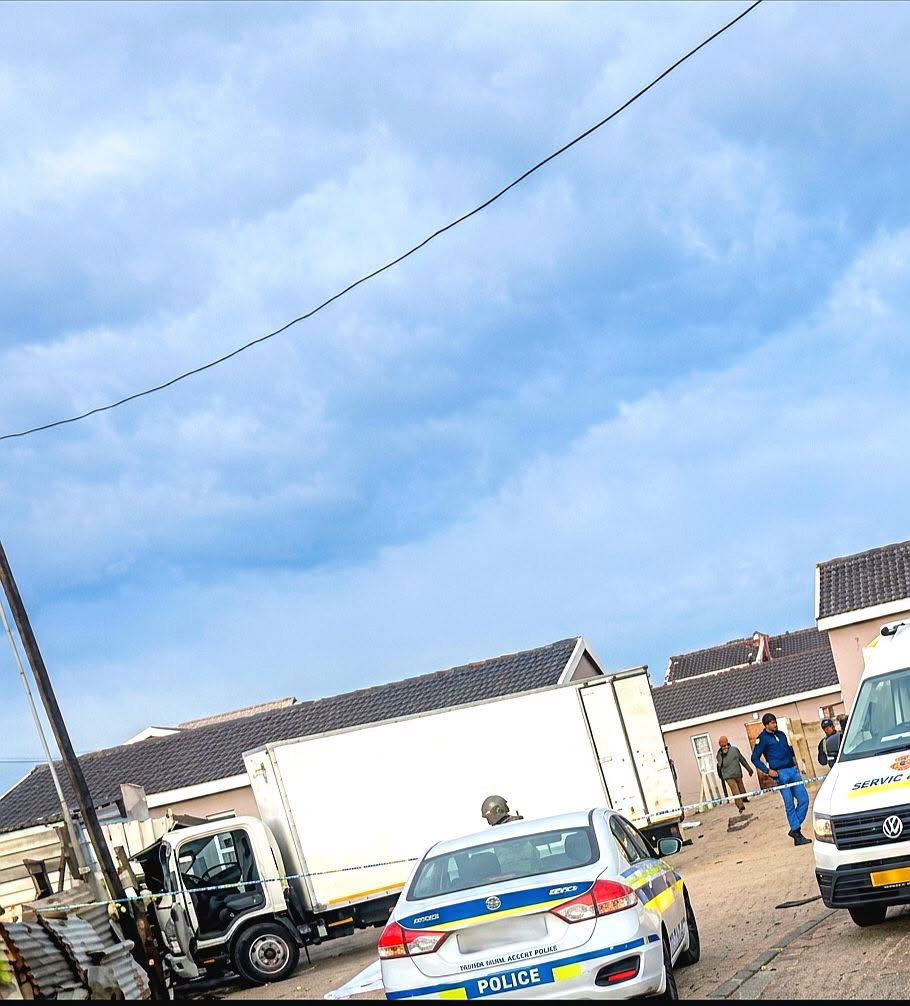
Another tragedy has struck Cape Town’s communities, with two spaza shop workers gunned down in broad daylight while simply going about their work on Friday afternoon. The incident, which unfolded on Gaya Street in Harare, Khayelitsha at approximately 3:30 PM on 17 April, has left residents grappling with yet another senseless loss of life in a township that has become all too familiar with violence targeting small business operators.
The victims were in the process of offloading bread from a delivery van when armed gunmen opened fire without warning. According to reports reaching our newsroom, the attack was swift and brutal — the kind of incident that sends shockwaves through local business communities who are already operating under immense pressure and security concerns. This isn’t the first time spaza shop workers have found themselves in the crosshairs of criminals, but that doesn’t make it any less devastating for those left behind.
Western Cape police have confirmed that two separate murder cases have been opened in connection with the shooting. However, as of the latest updates available to us, investigators have made no arrests, and the motive behind the killings remains unclear. Whether this was a robbery gone wrong, a targeted hit, or part of the gang violence that continues to plague the area remains an open question that police will need to answer in the coming days and weeks ahead.
The silence from authorities on potential suspects is particularly frustrating given how frequently these incidents occur in townships across the Western Cape. Communities like Harare have become accustomed to a cycle of violence that claims lives without warning or explanation, leaving families destroyed and neighbourhoods living in fear.
Spaza shop workers continue to face unprecedented safety risks in townships
What’s particularly disturbing about this latest Khayelitsha shooting is how it reflects a broader pattern affecting South Africa’s informal retail sector. Spaza shops represent the backbone of township economies, providing employment for thousands of South Africans and serving as vital access points for goods in communities where formal retail infrastructure remains limited. Yet the individuals running these businesses operate with virtually no safety guarantees, facing threats from robbery, gang violence, and extortion on an almost daily basis.
Our conversations with business operators across Cape Town reveal a grim reality: many workers clock in knowing the risks but having few alternatives. Economic desperation forces people to take jobs where their safety cannot be assured, and Friday’s tragedy is a stark reminder of that brutal calculus. These weren’t wealthy entrepreneurs — they were working-class people trying to earn a living, and it cost them their lives.
The timing of the attack — mid-afternoon, during what should be regular business hours — suggests a brazen disregard for witnesses or law enforcement presence. This speaks to a criminal element that operates with little fear of consequences, emboldened perhaps by the perception that township crimes receive less investigative attention than those in more affluent areas. Whether that perception is fair or not, the perception itself contributes to a climate where perpetrators believe they can act with impunity.
Police spokesperson details remain limited, but we’re told that forensic teams have been working the scene and that the investigation is ongoing. The question looming large, however, is whether police have any solid leads or whether this investigation will join the frustratingly long list of unsolved township murders that burden our country’s crime statistics. Without swift arrests and convictions, these incidents will likely continue, sending a message to criminals that violence in townships carries minimal risk.
For the families of the two workers, this Friday will forever mark a dividing line in their lives — before and after a moment that changed everything. Their loved ones left home expecting to return, expecting an ordinary evening with people who mattered to them. That ordinary expectation was shattered by gunfire on a street in Harare, and the ripple effects of that violence will extend far beyond what headlines capture.
As we continue to monitor developments in this investigation, the broader question facing our country becomes increasingly urgent: how much longer can we tolerate an environment where going to work in a township becomes a life-or-death gamble? The spaza shop workers killed on Friday deserve justice, and their families deserve answers. Until police can demonstrate genuine progress on this case, Khayelitsha — like so many other communities — will remain a place where ordinary people face extraordinary danger.