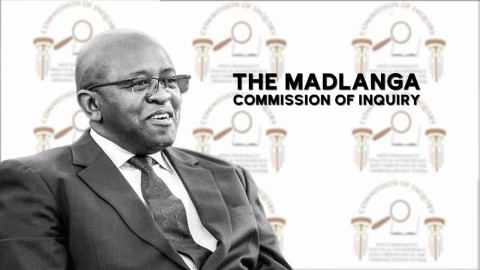
Suspended Tshwane metropolitan municipality Chief Financial Officer Gareth Mnisi has resumed his testimony before the Madlanga Commission, facing continued scrutiny over his alleged involvement in a sprawling tender-rigging scandal that has gripped the capital city’s administration. The inquiry, which has become something of a reckoning for the municipality’s governance failures, is now intensely focused on Mnisi’s financial dealings and his relationships with key figures in the procurement process.
During his appearance before the commission, Mnisi categorically denied receiving any money from businesswoman Fannie Nkosi, a central figure whose name has repeatedly surfaced in allegations linking her to corrupt tender awards within the city. He also flatly rejected suggestions that he wielded undue influence over tender processes that have left Tshwane’s coffers severely depleted and sparked multiple investigations into how millions of rands have been siphoned from public resources.
What’s particularly noteworthy in Mnisi’s testimony is his characterisation of his relationship with suspended Deputy TMPD chief Umashi Dhlamini as merely formal and professional. This claim comes at a time when investigators are examining the intricate web of connections between senior officials and those accused of benefiting from corrupt municipal contracts. The two have been linked in various allegations, and Mnisi’s attempt to distance the relationship suggests the commission is probing whether there was coordination between different levels of the municipality’s hierarchy in facilitating irregular procurement.
Tshwane has become almost synonymous with governance chaos over the past several years, with tender irregularities forming just one chapter in a much longer story of administrative breakdown. The municipality’s supply chain management processes have been repeatedly flagged as vulnerable to manipulation, with investigations revealing how procurement procedures were allegedly circumvented to benefit connected contractors and service providers.
Tender-rigging allegations pile pressure on suspended Tshwane CFO
The Madlanga Commission’s investigation into tender-rigging at Tshwane has expanded significantly since its inception, with new layers of complexity emerging as various officials have been questioned. Mnisi’s suspension came after preliminary findings suggested potential impropriety in his handling of municipal finances and his apparent proximity to tender awards that lacked proper justification. As we reported earlier, the municipality has attempted to recover some of the funds lost through irregular contracts, though success has been limited.
The allegations against Mnisi span several years of municipal procurement activity, and investigators have apparently traced financial flows that they believe are inconsistent with legitimate government business. Whether through direct payments or indirect benefits, the commission seems intent on establishing whether Mnisi participated in what could constitute one of the more significant fraud operations at a metropolitan municipality level. The fact that someone in his position—responsible for overseeing the CFO function—would be implicated speaks to how deeply corruption appears to have embedded itself within the city’s administration.
Our sources indicate that the commission has been particularly interested in establishing timelines of when specific tenders were approved, who authorised payments, and whether there were deliberate attempts to obscure the decision-making paper trail. Mnisi’s testimony will likely be cross-referenced with financial records, email communications, and statements from other officials and contractors who have already appeared before the inquiry.
The broader implications of this investigation extend beyond Mnisi himself. Tshwane residents have borne the brunt of governance failures, with service delivery deteriorating as resources that should have funded essential infrastructure and maintenance have instead flowed to irregular contracts. The commission’s work, while slow, represents a critical accountability mechanism in a context where political patronage has often trumped proper administration.
Mnisi’s denials during his testimony may ultimately rest on documentary evidence and the credibility assessments made by the commission. Whether he emerges vindicated or further implicated will depend on how convincingly he can explain his role in decision-making processes and what contemporaneous records reveal about his involvement in the municipal procurement decisions now under scrutiny.