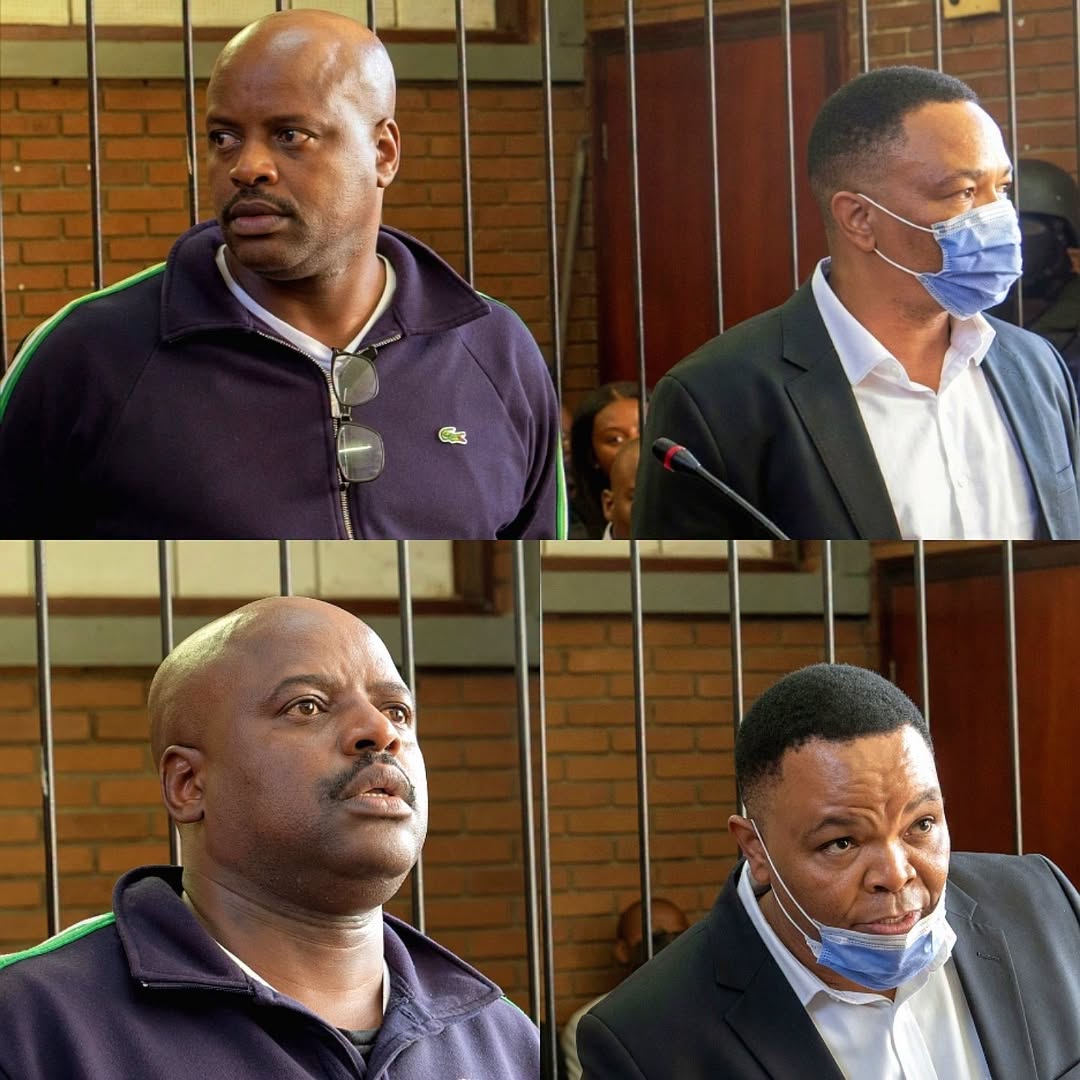
Two senior Ekurhuleni officials appeared in the Boksburg Magistrates’ Court this week to face serious charges of fraud and corruption, marking a significant development in what appears to be an escalating crackdown on municipal misconduct in Gauteng. Julius Mkhwanazi, the suspended deputy chief of the Ekurhuleni Metropolitan Police Department, and Kagiso Michael Lerutla, the Ekurhuleni City Manager, made their first court appearance following weekend arrests that have sent shockwaves through the municipality’s leadership structures. The charges they face are weighty — fraud, corruption, and defeating or obstructing the ends of justice — and relate to alleged irregularities spanning both the metro police unit and broader municipal operations.
The arrests came courtesy of a South African Police Service task team operating under the Madlanga Commission, a body tasked with investigating corruption and malfeasance in various state institutions. This connection suggests the matters at hand are being treated with considerable seriousness at provincial and national levels. As we’ve seen in recent months, the Madlanga Commission has been instrumental in rooting out alleged corruption across multiple departments and agencies, and this latest action demonstrates the commission’s reach extending into local government structures.
What makes this case particularly noteworthy is the seniority of those implicated. Mkhwanazi’s position as deputy chief of the metro police places him at a critical juncture within law enforcement at the local level, while Lerutla’s role as City Manager makes him one of the most influential administrative figures in Ekurhuleni. The simultaneous arrest of both officials suggests investigators may be tracking a coordinated scheme or related patterns of misconduct. The specific allegations of irregularities within the metro police and municipality have not been detailed in full, but the breadth of charges indicates the investigation has uncovered multiple avenues of potential wrongdoing.
Corruption charges and the Madlanga Commission’s growing influence in Ekurhuleni
The involvement of the Madlanga Commission in these arrests underscores the commission’s broadening mandate and effectiveness in pursuing high-level corruption cases. Since its establishment, the commission has become something of a pressure point for authorities attempting to tackle systemic corruption, particularly in municipalities where governance failures have compromised service delivery and public finances. The decision to involve a specialised SAPS task team rather than relying solely on local law enforcement suggests authorities wanted to bypass any potential interference or compromise within local structures.
Mkhwanazi’s suspension pending the outcome of the case represents standard procedure in such matters, yet it also highlights the vulnerability of the municipality’s leadership structure. With the City Manager also facing charges, questions inevitably arise about the institutional safeguards and oversight mechanisms that should have prevented such alleged irregularities from occurring in the first place. Our sources indicate that municipal governance in Ekurhuleni has been under increasing scrutiny, and this case may represent only the tip of a larger investigation.
The charges specifically reference defeating or obstructing the ends of justice, which typically suggests that investigators believe the accused may have attempted to conceal evidence, interfere with witnesses, or otherwise impede investigations. Combined with fraud and corruption charges, this paints a picture of alleged deliberate wrongdoing rather than administrative oversight or procedural errors. The fact that both individuals were arrested over a weekend — rather than being summoned — suggests they were considered flight risks or that investigators feared potential destruction of evidence.
The broader context matters here. Ekurhuleni has struggled with governance challenges for several years, and this case arrives amid ongoing debates about municipal accountability and the effectiveness of oversight bodies. The presence of the Madlanga Commission in these arrests signals that provincial and national authorities are taking a more active role in rooting out corruption at local government level, a development that some observers may view as encouraging, while others might question the adequacy of local accountability structures that apparently failed to prevent such situations.
Court proceedings will now determine the merits of the allegations and the weight of evidence against both officials. Bail applications, if made, will provide further insight into the strength of the state’s case and the flight risk assessment made by investigators. The matter remains ongoing, and as additional court dates unfold, more details about the specific allegations and the alleged irregularities are likely to emerge. For now, Ekurhuleni residents and ratepayers will be watching closely to see how these cases develop and what systemic changes may follow.