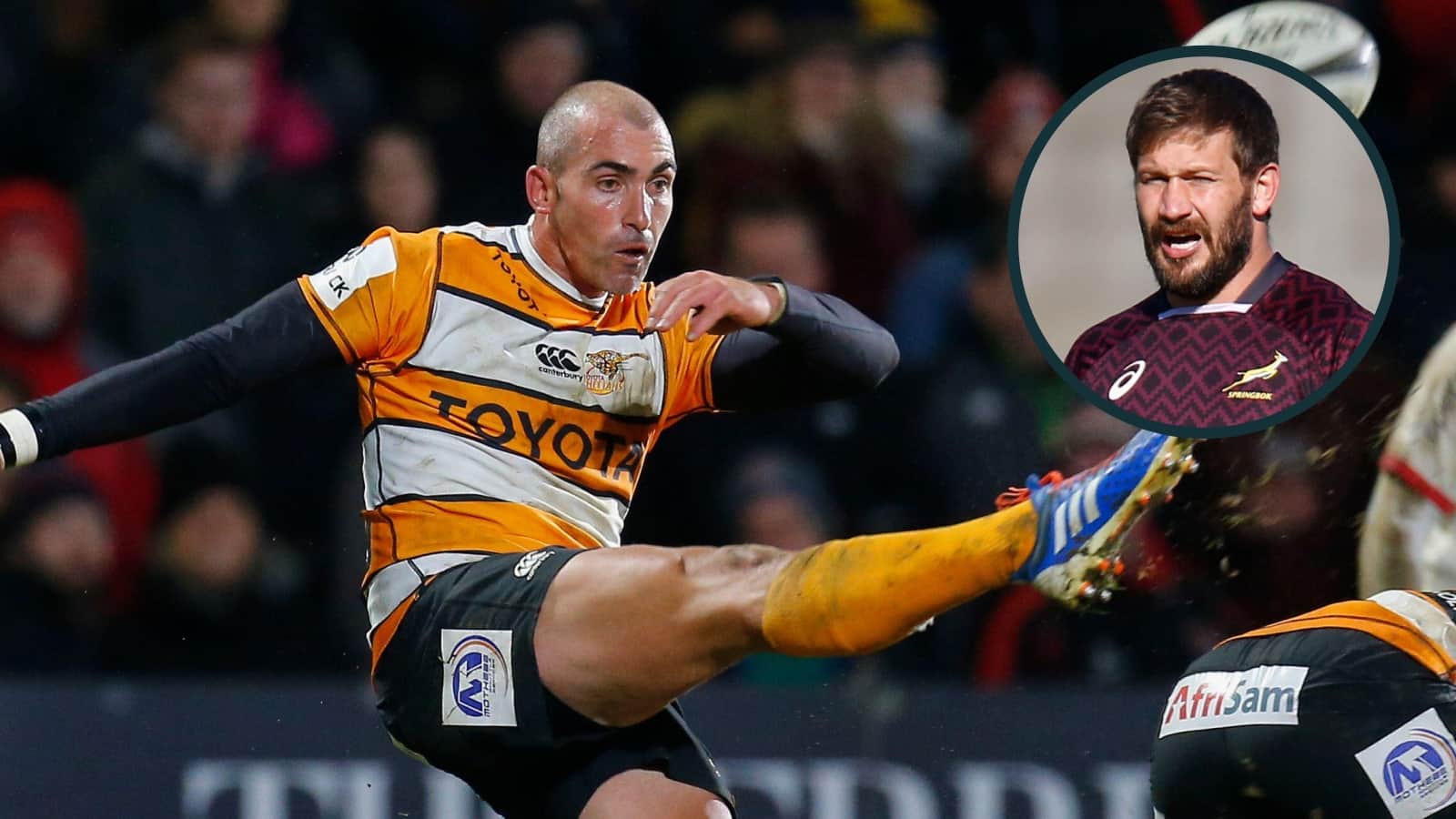
South Africa’s rugby landscape could be about to shift dramatically, with the Free State Cheetahs poised for a sensational return to the United Rugby Championship after nearly six years in the wilderness. Word on a potential fifth South African franchise joining the elite competition is expected imminently, with sources suggesting the mood around negotiations has turned considerably more positive in recent weeks.
The Bloemfontein side’s exile from top-flight club rugby has been a painful chapter for one of South Africa’s most storied franchises. When the local game restructured in 2020 and the four major franchises — the Bulls, Lions, Stormers, and Sharks — moved into the URC, the Cheetahs were left without a seat at the table. Since then, they’ve been confined to the Currie Cup and Challenge Cup competitions, a significant step down from the standard of rugby they’d grown accustomed to competing at.
However, that narrative appears ready to change. According to reporting from Afrikaans publication Rapport, the Cheetahs will receive clarity on their URC participation prospects this week, with insiders suggesting the trajectory of discussions has become increasingly encouraging. A senior rugby administrator close to the process told the publication that whilst conversations are ongoing, “a lot of water still needs to be drained” before anything becomes official.
The potential opening for the Cheetahs’ comeback lies in Wales’ decision to downsize their professional rugby footprint. The Welsh Rugby Union is committed to reducing their four professional regions to just three by the end of the 2027/28 season, a move driven by both financial pressures and performance considerations. This restructuring would create exactly the kind of vacancy in the URC that South Africa’s fifth franchise could fill.
Welsh Rugby Union CEO Abi Tierney has been unequivocal about the necessity of this consolidation, stating that the move is essential “for both financial and performance reasons” and to allow proper investment in their development pathways. The situation intensified recently when negotiations between the WRU and Y11 Sport & Media over a takeover of Cardiff Rugby collapsed, forcing the union to retain ownership of the capital region whilst pursuing their broader consolidation strategy.
Cheetahs’ pathway back to elite United Rugby Championship rugby
The timing of this potential Cheetahs return couldn’t be better for the franchise. They’ve recently received a massive shot in the arm with the signing of double World Cup-winning Springboks scrum-half Faf de Klerk, who made the surprise decision to take a pay cut and return to South African rugby rather than pursue lucrative overseas offers. De Klerk’s arrival at the Cheetahs represents genuine star power and demonstrates that elite players see value in the franchise’s future.
Beyond De Klerk’s arrival, a consortium of local businessmen stepped in to rescue the franchise from financial ruin, providing the stability that was desperately needed. This intervention has set the foundation for what could be a genuine renaissance for Bloemfontein rugby. The franchise is no longer in survival mode — it’s beginning to thrive again, and a return to the URC would represent validation of that turnaround.
The Cheetahs aren’t waiting passively for news from Europe either. This week, SA Rugby announced an enhanced Toyota Challenge competition, which will provide meaningful international fixtures for the three Currie Cup franchises excluded from the URC. Starting in June 2026, the Cheetahs, Griquas, and Pumas will host touring sides from Georgia (the Black Lion), Portugal, and Romania in a revamped tournament format that promises genuine festival rugby for both players and supporters.
Rory Duncan, CEO of the Free State Cheetahs, expressed genuine enthusiasm about the upgraded competition, emphasising how the new format creates multiple international match days and brings international opposition directly to South African soil. He acknowledged Toyota South Africa Motors’ continued backing as crucial to making this vision a reality, whilst also praising SA Rugby for facilitating the concept.
The 2026 Toyota Challenge structure has been confirmed, with three rounds of matches spread across early June. The opening round sees the Pumas face Georgia’s Black Lion, the Griquas hosting Romania ‘A’, and the Cheetahs welcoming Portugal. The second round on June 10th rotates the matchups, whilst the third round on June 14th completes the round-robin format. These fixtures represent genuine Test-standard opposition and provide the kind of elite exposure that was previously unavailable to the excluded franchises.
For the Cheetahs specifically, this two-pronged approach — the immediate international challenge coupled with the prospect of URC reinstatement — represents a genuine pathway back to sustainable excellence. The franchise has the financial backing now, marquee player recruitment capability with De Klerk’s arrival, and growing momentum both domestically and internationally. Whether that fifth franchise slot in the United Rugby Championship becomes official this week remains to be seen, but the indications are increasingly positive. South African rugby’s geographical reach and commercial potential appear to be making a compelling case in European boardrooms.