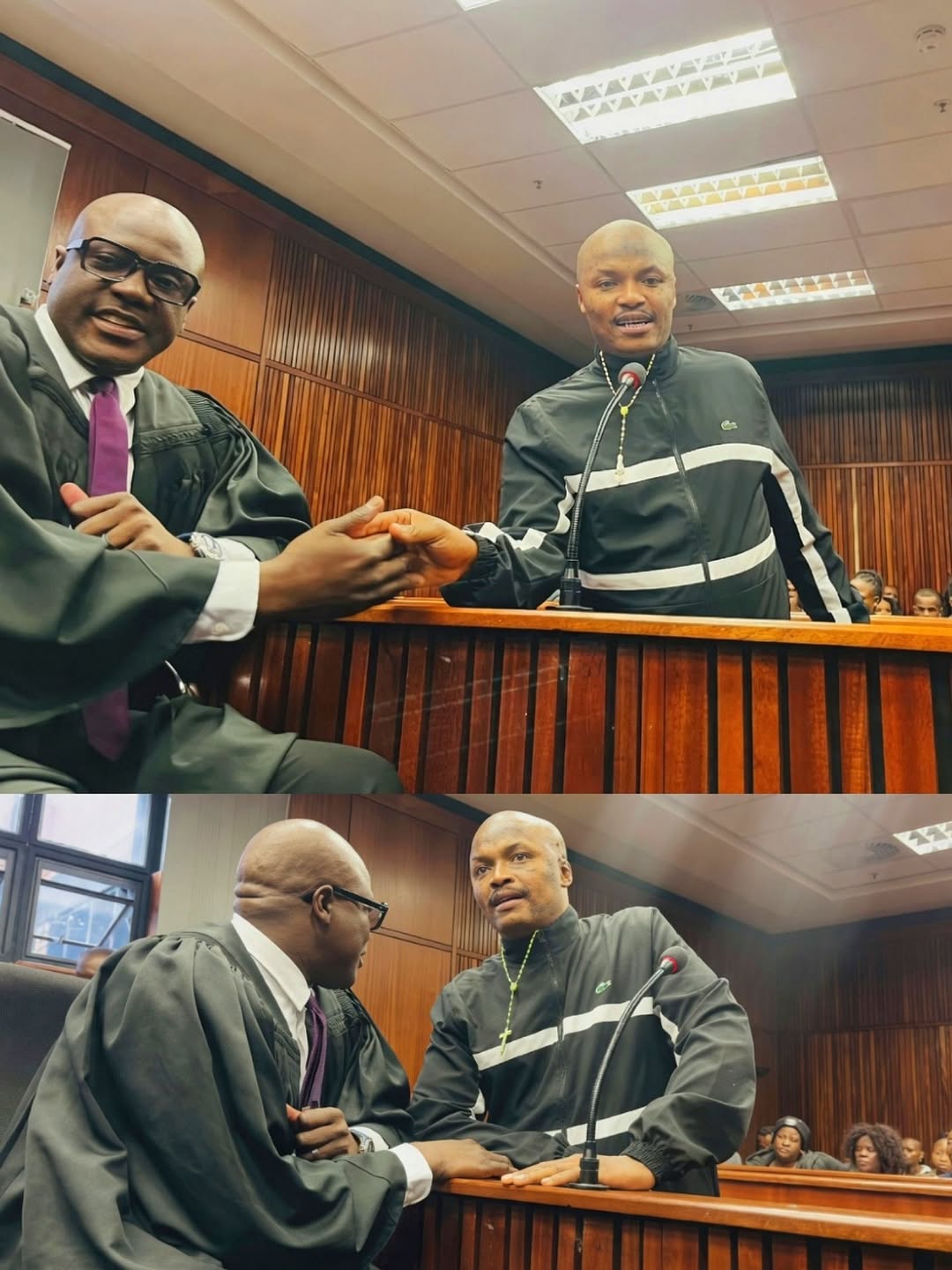
The bail application for Lehlogonolo Katlego Chauke, the Limpopo-based artist and producer better known by his stage name Shebeshxt, has been postponed once again. The proceedings unfolded at the Polokwane Magistrate’s Court earlier this week, where the musician’s legal team made another push for his release ahead of trial. The case continues to draw significant attention within local music circles and broader public discourse around detention, medical care in custody, and the judicial process in South Africa’s criminal courts.
Chauke’s situation has become increasingly complex as his legal representatives presented arguments centred on urgent medical concerns. According to court submissions, the artist claims he requires surgical intervention following a motor vehicle accident that occurred in 2024. This medical necessity has formed a cornerstone of his bail application strategy, with his team arguing that continued detention prevents him from accessing appropriate healthcare. The specifics of his condition and the recommended surgical procedures remain largely undisclosed, but the medical claim has been central to bail hearings over recent weeks.
The State’s case against bail remained firm, however. Prosecutors actively opposed the application, presenting counter-arguments that directly challenged Chauke’s assertions regarding medical care. During proceedings, testimony emerged from State representatives disputing claims that the artist has been denied necessary medical treatment whilst in custody. This contradiction between the defence’s position and State testimony highlighted the contentious nature of the application and the complexity of evaluating detention conditions versus medical requirements within South Africa’s correctional system.
The magistrate’s decision on the substantive bail application has not yet been delivered. Instead, the court opted for a postponement to Tuesday, 28 April 2026, when a formal ruling on the bail request is expected. This delay, whilst potentially frustrating for Chauke and his legal team, allows additional time for both parties to gather further evidence and documentation relevant to the medical claims and detention circumstances. Until that date arrives, the artist remains in custody.
Medical Claims and Detention Conditions in South African Courts
The case touches on broader themes about how South African courts balance public safety concerns against individual rights to medical care and fair detention conditions. When bail applications centre on medical necessity, courts typically require substantial evidence—including medical affidavits, specialist reports, and documentation of treatment delays. The State’s counter-testimony suggests authorities believe appropriate medical oversight exists within the correctional environment, though this remains disputed by the defence.
Shebeshxt had previously gained recognition within the local hip-hop and amapiano scenes, and his detention has been followed closely by fans and industry observers. The artist’s circumstances raise questions about the intersection of the entertainment industry, criminal justice, and access to healthcare that resonate across South African society. Many commentators have emphasised the importance of ensuring detainees receive proper medical attention, particularly when conditions emerged from accidents or traumatic events.
The Polokwane Magistrate’s Court docket has now accumulated multiple hearing dates for this matter, with previous applications also resulting in postponements. Each adjournment extends the period Chauke spends in custody pending trial, adding another layer to the case’s complexity. His legal representatives face the challenge of building increasingly compelling medical evidence to persuade the court that his particular circumstances warrant bail release on the grounds of urgent healthcare requirements.
The outcome on 28 April will likely set important precedent regarding how courts in Limpopo evaluate medical necessity in bail applications, and whether detained individuals can access their constitutional rights to healthcare whilst awaiting trial. For now, Chauke’s case remains unresolved, with both his freedom and health concerns hanging in the balance.