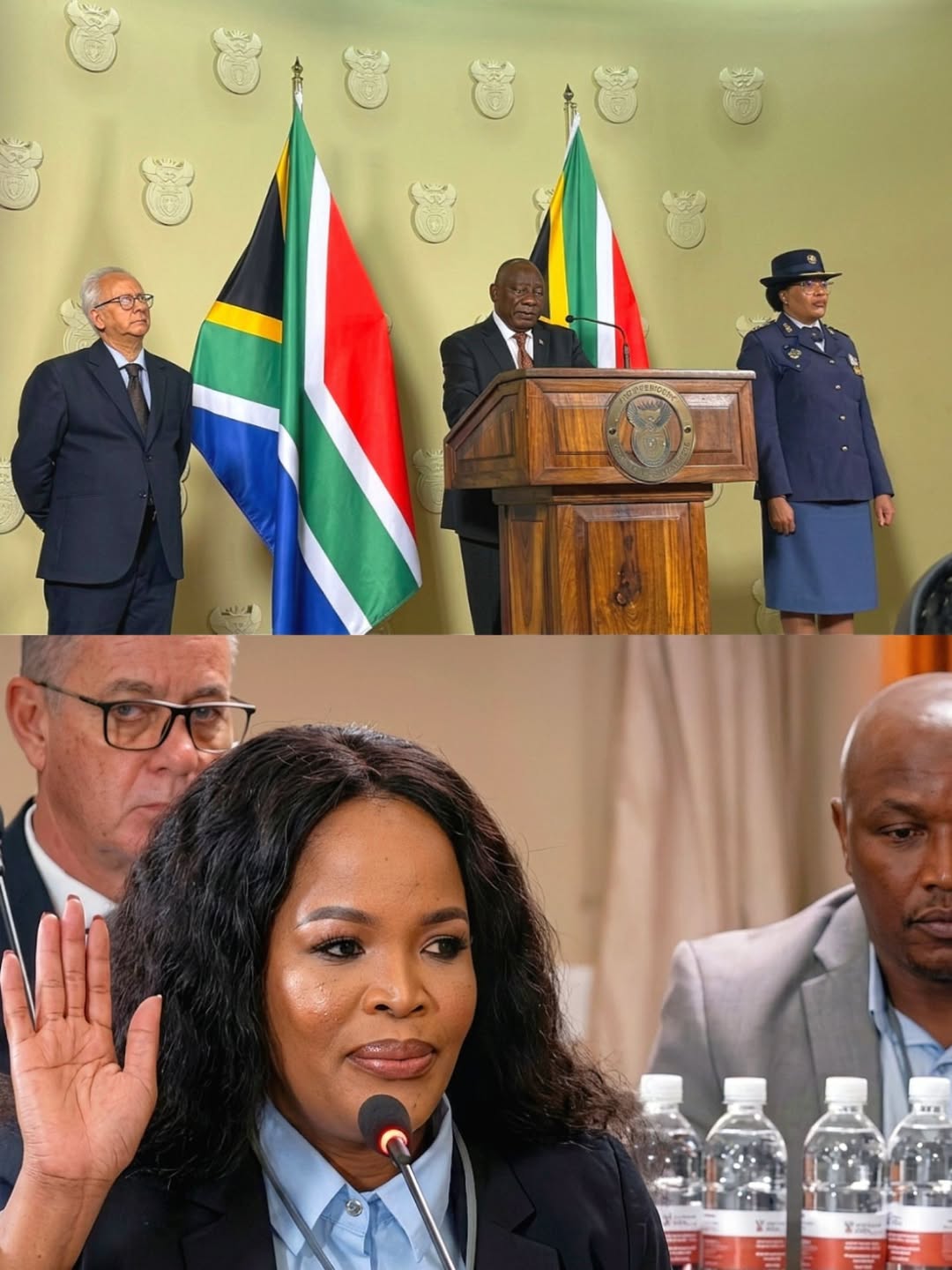
In a significant development that’s captured national attention, President Cyril Ramaphosa has made a major reshuffle at the top of South Africa’s police leadership, appointing Puleng Dimpane as the acting National Police Commissioner following the precautionary suspension of Fannie Masemola. The decision comes in the wake of Masemola’s appearance before the Magistrate’s Court, marking yet another turning point in the ongoing institutional shake-ups within our law enforcement establishment.
This move represents one of the most consequential leadership changes at the SAPS in recent memory, and it signals the President’s determination to address what has increasingly become a crisis of confidence in the national police command. As we’ve reported previously on SA Report, the police service has faced mounting scrutiny over operational effectiveness, internal discipline, and the conduct of senior officials. Masemola’s suspension now thrusts the organisation into a period of transition that could define policing in South Africa for years to come.
Puleng Dimpane steps into the role at a critical juncture, inheriting an institution that’s been grappling with resource constraints, crime-fighting effectiveness, and internal accountability issues. The appointment itself carries considerable weight — it’s not simply a routine administrative change, but rather a statement about the direction Ramaphosa intends to take the police service. Dimpane will need to hit the ground running, as public expectations around police performance remain exceptionally high despite the significant operational challenges the SAPS continues to face.
The circumstances surrounding Masemola’s court appearance remain a matter of public record, though the precise details and charges have been reported variously across media outlets. What’s clear is that the President deemed it necessary to act swiftly, placing the commissioner on precautionary suspension rather than allowing the situation to fester or create ongoing distraction from the service’s core functions. This approach, whilst controversial to some, reflects a growing impatience with institutional disruption at the highest levels.
Ramaphosa’s police leadership reshuffle sends clear message on accountability
The broader context here matters considerably. South Africa’s policing landscape has been marked by instability, with questions persistently raised about leadership competency, financial mismanagement, and the ability of the SAPS to deliver on its constitutional mandate. The appointment of Dimpane as acting commissioner is ostensibly intended to restore some stability, though observers will rightfully scrutinise whether this represents genuine reform or merely another temporary fix in what’s become a revolving door of senior appointments.
What we’re witnessing is part of a larger pattern of institutional reckoning within the Ramaphosa presidency. Whether it’s the judiciary, revenue services, or now the police, there’s been a visible attempt to address leadership crises through decisive action. The suspension of a sitting commissioner, however, is extraordinary — it underscores how seriously the President is taking whatever issues prompted the court appearance.
The timing of this announcement is particularly noteworthy. South Africa remains locked in a battle against organised crime, gang violence, and corruption, and the last thing the nation needs is uncertainty at the helm of its primary law enforcement agency. Yet that uncertainty is now unavoidable, at least for the period during which Dimpane serves in an acting capacity. The question facing both government and the public alike is whether this transition can be managed in a way that strengthens rather than weakens the SAPS’s already compromised capacity.
Dimpane’s background and track record will come under intense scrutiny in the coming weeks and months. Police leadership in South Africa isn’t for the faint-hearted — it requires operational expertise, political acumen, and an unwavering commitment to the rule of law. The interim commissioner will need to demonstrate all three if he’s to win back public confidence and stabilise an institution that’s been buffeted by controversy and inconsistency.
For now, we await further developments regarding Masemola’s legal proceedings and Ramaphosa’s next moves. Whether Dimpane’s appointment proves to be a watershed moment for genuine police reform or another chapter in a disappointing saga of institutional mismanagement remains to be seen.