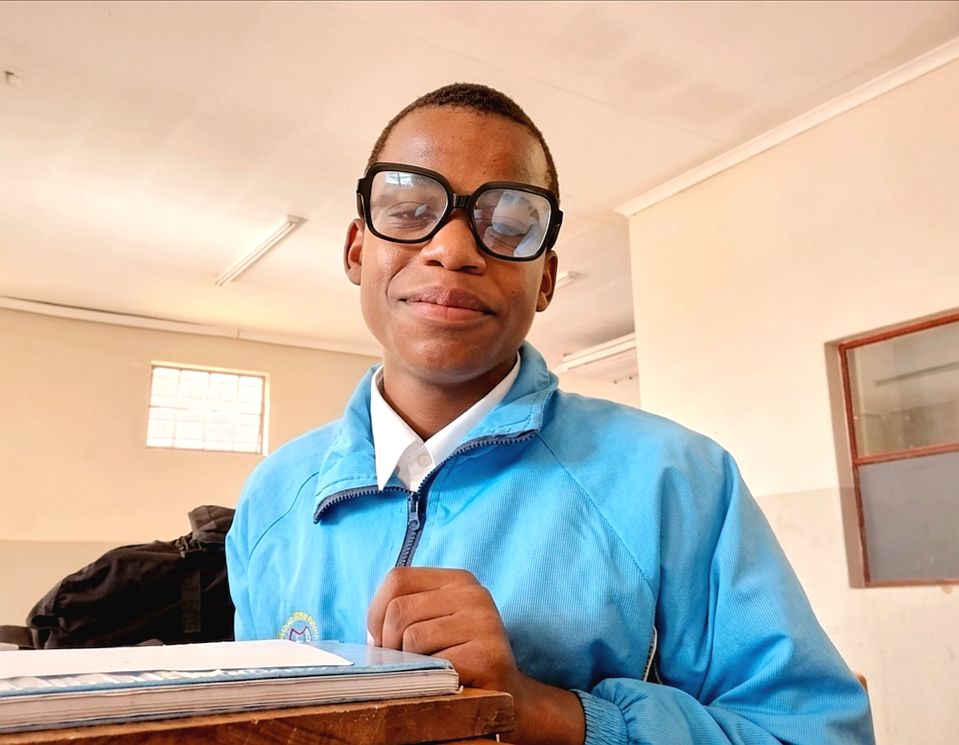
The Pretoria community is reeling after a Grade 12 learner at Daspoort Secondary School took his own life, an event that has sent shockwaves through one of the city’s schools and reignited urgent conversations around bullying, mental health support, and institutional accountability. The death marks another tragic reminder of the pressures facing South African teenagers and the critical gaps that often exist between when students cry for help and when that help actually arrives.
What makes this particular case especially troubling is that the young man had, prior to his death, formally raised concerns with school management about alleged bullying involving a teacher. The fact that these complaints were documented suggests a clear opportunity existed for intervention — yet somehow, the system failed to protect him when he needed it most. It’s a pattern we’ve seen repeat itself too often in our schools, and it demands serious examination.
According to information reaching us, the learner escalated his concerns through official channels, speaking directly to school leadership about the bullying he was experiencing. The nature of these complaints, particularly given they involved a staff member, should have triggered a robust safeguarding response. Instead, what appears to have unfolded is a tragic outcome that has devastated his family, his peers, and educators who now face the impossible weight of what might have been prevented.
The incident has prompted growing calls for a thorough investigation into the circumstances surrounding his death, with community members and education advocates demanding clarity on what warning signs were missed and whether adequate support systems were actually in place. Parents are asking hard questions about duty of care, about whether their children are genuinely safe at school, and about who is actually accountable when things go catastrophically wrong.
Understanding the pressure on learners and the role of Daspoort Secondary School in crisis response
South Africa’s education sector has long grappled with the challenge of supporting learners’ mental health whilst simultaneously managing large class sizes, resource constraints, and competing demands on teachers’ time. Daspoort Secondary School’s handling of this learner’s initial complaints will likely become a case study in how — or how not — schools should respond when students report bullying by staff members. It raises uncomfortable questions about institutional culture, power dynamics, and whether there are adequate channels for learners to escalate concerns when normal routes seem blocked.
The Gauteng Department of Education and law enforcement authorities are understood to be investigating the full circumstances. What this investigation must clarify is whether protocols existed for handling the learner’s allegations, whether those protocols were followed, and what resources were actually available to support a vulnerable teenager flagging serious concerns. As we’ve reported before, protocol on paper often looks very different from protocol in practice.
Mental health experts and child psychologists have consistently warned that bullying — especially when perpetrated by authority figures — creates a devastating power imbalance that can trap young people in cycles of hopelessness. A teenager reporting bullying by a teacher is essentially reporting someone with institutional authority over them, making the disclosure itself an act of enormous courage and vulnerability. Schools must be structured in ways that protect that vulnerability rather than compound it.
The broader context here matters too. South Africa has seen rising rates of suicide among young people over the past decade, with multiple studies indicating that bullying, social isolation, and inadequate mental health support are significant contributing factors. Our schools remain largely under-resourced when it comes to counselling services, with many relying on a single school psychologist to support hundreds of learners. The system is stretched far too thin, and tragedy often fills the gaps that resources should occupy.
It’s also worth noting that this incident occurred despite increased national awareness around learner safety and mental health in schools. Organisations, NGOs, and government departments have all launched initiatives aimed at tackling bullying and supporting vulnerable learners. Yet here we are, with another preventable death, which suggests those initiatives haven’t yet translated into meaningful, accessible support at ground level in many schools.
The family of the deceased learner, along with his friends and schoolmates who witnessed his distress, deserve answers. The school community at Daspoort now faces the long and difficult work of processing this tragedy, supporting traumatised learners who may have been close to him, and — hopefully — driving systemic change that ensures something like this cannot happen again. Our thoughts are with everyone affected during this impossibly difficult time.