South African scientists are taking a bold step to combat one of the country’s most pressing environmental challenges: a cutting-edge pollution warning app developed at the University of Witwatersrand is set to transform how residents stay informed about air quality spikes. With Johannesburg grappling with alarming increases in coal emissions in recent weeks—leaving thousands struggling to breathe and reporting serious health complications—this technological innovation couldn’t arrive at a more critical moment.
The problem facing South Africa’s economic heartland is far from new. Johannesburg’s proximity to the country’s extensive coal mining operations has meant that residents regularly contend with the distinctive rotten-egg stench of sulphur emissions wafting through the city. The smell has become so common that many have learned to tolerate it, yet the health consequences are anything but trivial. Recent weeks have seen conditions deteriorate markedly, prompting urgent calls for action from government officials and health advocates alike.
Environment Minister Willie Aucamp has attributed the intensifying stink to hydrogen sulphide emissions originating from mining and industrial facilities as far as 400 kilometres to the east of Johannesburg. In comments to our colleagues, Aucamp acknowledged that investigators are still working to identify which specific mining operations are responsible for breaching their emissions limits. “We don’t know which specific mines yet. Investigations are still ongoing,” he explained, revealing the somewhat alarming gap in regulatory oversight.
Enter the new app—a response that speaks to both urgency and innovation. Developed by researcher Bruce Mellado, the application harnesses data from hundreds of air-monitoring systems spread across the country. Once it launches later this year, the system will send real-time notifications to users when pollution levels spike, simultaneously providing practical advice on protective measures such as wearing masks during periods of high pollution.
However, there’s an important caveat worth noting. While masks can offer some protection against smog and particulate soot, they’re considerably less effective against gaseous emissions like sulphur compounds—the very pollutants currently plaguing Johannesburg residents. This limitation underscores a deeper truth: technology can alert us to danger, but it can’t eliminate the source.
Tackling pollution spikes across South Africa
The app’s data has revealed an increasingly frequent pattern of pollution spikes, according to Mellado, who leads the South African Consortium of Air Quality Monitoring (SACAQM). This growing trend is particularly troubling given South Africa’s economic dependence on coal. The fuel sector remains integral to the country’s energy infrastructure, providing more than three-quarters of South Africa’s electricity generation and accounting for roughly a quarter of liquid fuel production through Sasol’s coal-to-liquid conversion process. That economic reality has shaped policy decisions, sometimes at the expense of air quality.
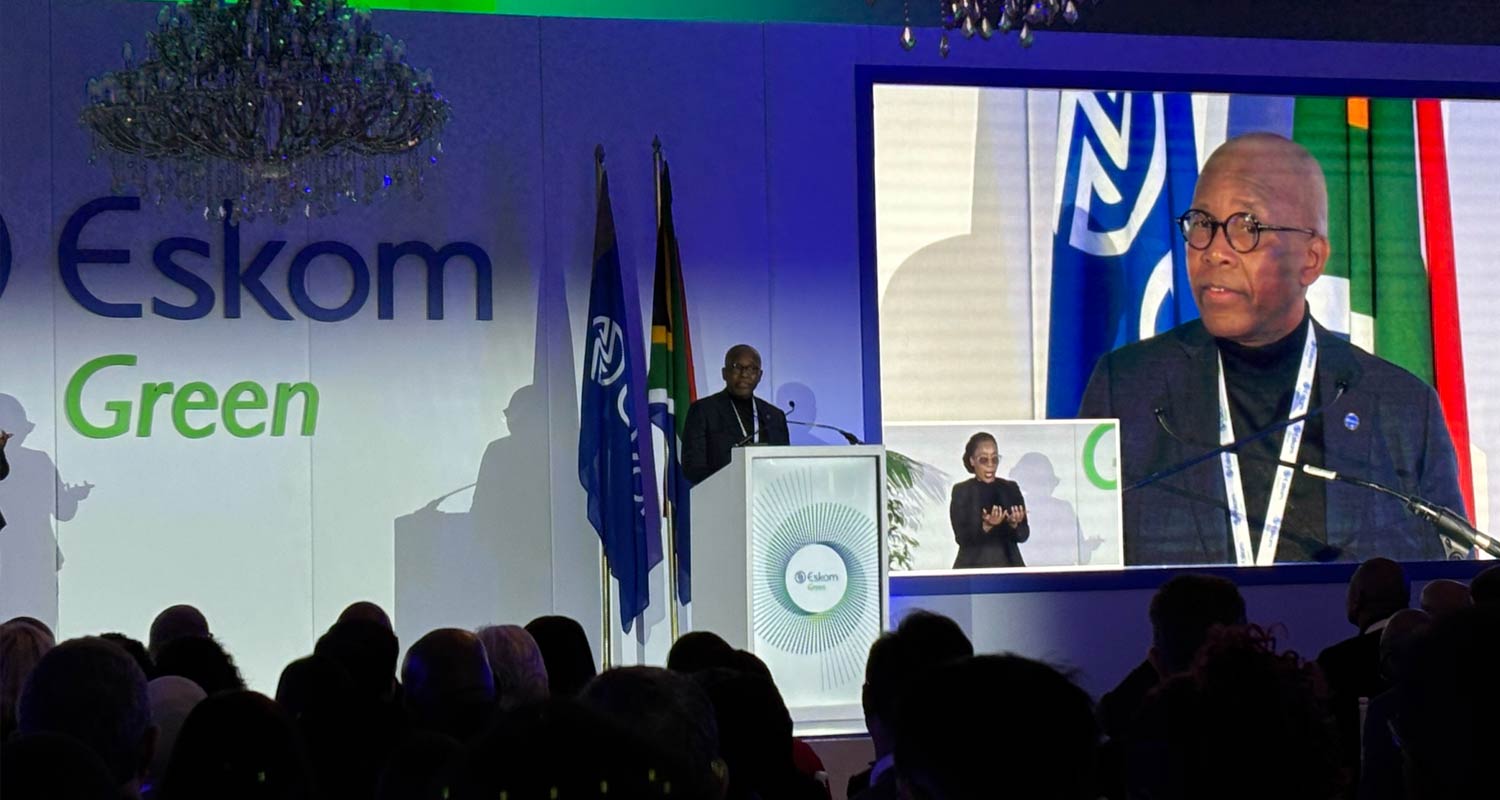
The nation’s two largest polluters—Sasol and state-owned utility Eskom—both secured extensions to their emissions exemptions in 2025, a decision that frustrated environmental advocates. Notably, their major facilities are located east of Johannesburg, placing them in direct proximity to the areas experiencing the worst air quality deterioration. When approached for comment, Sasol spokesman Alex Anderson stated that no operational incidents or abnormal conditions had been identified that would suggest uncontrolled or atypical sulphur releases from their operations. Eskom, however, declined to respond to our enquiries.
The tension between environmental protection and economic survival has become the uncomfortable backdrop to South Africa’s air quality crisis. Government authorities frequently invoke the need to balance environmental concerns against economic imperatives when justifying relatively lenient enforcement of air quality standards. Yet environmental activists and public health experts argue this calculus fundamentally underestimates the true economic cost of pollution-related illness and healthcare expenses.
Rico Euripidou, a campaign coordinator at environmental organisation GroundWork, has been vocal about this oversight. He’s calling for expanded community-based monitoring initiatives that can help quantify the genuine economic burden air pollution places on the country. As he puts it, “We need more community monitoring to understand how much air pollution actually costs us.” It’s a compelling argument—one that suggests our current policy frameworks may be pricing environmental damage far too cheaply.
The Wits app represents a meaningful step forward in transparency and public awareness, but it’s ultimately a warning system rather than a solution. Real change will require governments, industry, and society to reckon with coal’s true cost to our collective health and economic future.