South Africa’s Cabinet Greenlights Draft AI Policy Framework for Public Input
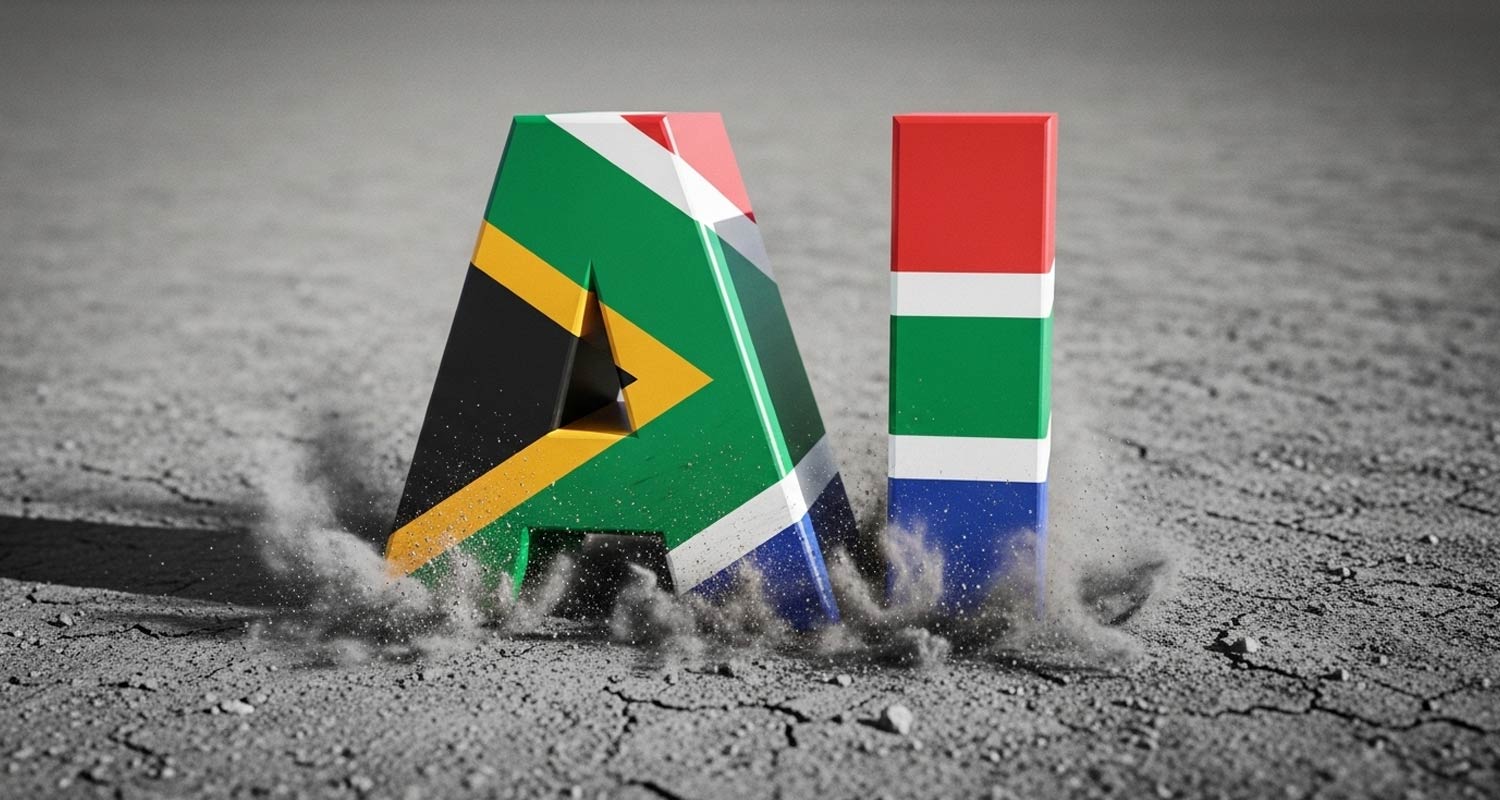
South Africa’s Cabinet has officially approved the release of the country’s draft national artificial intelligence policy, opening it up for public comment. The announcement was made by Minister in the Presidency Khumbudzo Ntshavheni during a press conference on Thursday, marking a landmark moment in the country’s journey toward structured AI governance.
According to Ntshavheni, the policy has been carefully crafted to ensure that both the benefits and the risks associated with AI are distributed equitably — not just across different segments of society, but also across generations. The framework is designed to strengthen the government’s capacity to regulate and adopt AI in a responsible manner while simultaneously encouraging local innovation, job creation, and broader access to AI-related skills.
The draft policy is built around six core pillars that collectively form the backbone of South Africa’s AI vision. These include capacity and talent development, AI for inclusive growth and job creation, responsible governance, ethical and inclusive AI, cultural preservation and international integration, and human-centred deployment. Together, these pillars aim to create a comprehensive and balanced national approach to artificial intelligence.
“These core pillars are aimed at promoting the responsible development and ethical deployment of AI,” Ntshavheni stated during the briefing. The minister further noted that a phased implementation approach would be necessary, given that AI deployment and associated risk profiles vary considerably from one sector to another.
South Africa’s ‘Middle of the Road’ Approach to AI Regulation
Thursday’s announcement is being seen as a significant milestone in a process that began back in 2020. The Department of Communications and Digital Technologies had already published a national AI policy framework in August 2024, which was described at the time as a foundational first step. That earlier framework rested on pillars covering talent and skills development, digital infrastructure, research and innovation, and the adoption of AI within the public sector.
Earlier this year in February, department officials briefed Parliament’s portfolio committee on communications, indicating that the draft policy would be submitted to Cabinet and potentially gazetted for public comment as early as March. The officials described the government’s intended direction as a “middle of the road” strategy — one that deliberately avoids adopting the European Union’s stricter AI regulatory regime, which South African authorities have previously warned could suppress innovation.
Instead, South Africa is positioning itself to use the policy as a lever for economic stimulation while also staking a claim as a leading voice for responsible AI governance on the African continent. The approach reflects an understanding that overly rigid regulation at this stage could hinder the country’s ability to compete and grow in the rapidly evolving global AI landscape.
The department’s stance signals a broader ambition: to strike the right balance between enabling technological advancement and protecting citizens from the potential harms that unregulated AI systems can pose. Officials appear keenly aware that getting this balance wrong — in either direction — could have lasting consequences.
Once the public comment process is concluded and the policy is finalised, it is expected to serve as the foundational document for future AI regulations in the country. Authorities have also indicated that it could pave the way for a dedicated South African AI Act, similar in concept to legislation being developed elsewhere in the world but tailored to local conditions, priorities, and developmental goals. The public now has a critical opportunity to shape what that future looks like.