
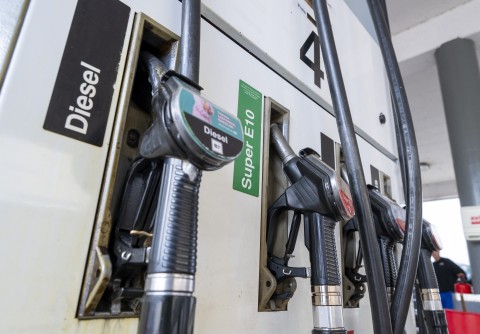
South Africans are grappling with the cascading economic fallout from surging fuel prices, and the ripple effects are hitting the insurance sector particularly hard. What starts at the petrol pump doesn’t end there — it’s fundamentally reshaping how much we all pay for cover, from our car insurance to commercial liability protection. The reality is that rising fuel costs are now a primary driver of insurance claims, forcing brokers and underwriters to recalibrate their risk assessments and, inevitably, pass those costs down to policyholders.
According to industry analysts we’ve spoken to, the economic role of fuel is critical in South Africa’s economic machinery. It’s not just about what you spend filling up your tank — fuel influences transport networks, manufacturing output, and the price of virtually every good and service that moves through our economy. When petrol costs spike, that pressure radiates outward, affecting everything from the cost of spare parts to the cost of repairs needed to move those parts to repair shops.
The insurance sector is experiencing genuine strain as a result. Vehicle repair claims have become significantly more expensive, driven by higher transport costs for mechanics and technicians, increased parts delivery fees, and the simple fact that labour-intensive repairs now take longer — meaning more overhead for workshops. Motor insurance and commercial vehicle cover are bearing the brunt, with towing expenses and parts logistics becoming major line items on claims assessments.
It’s not just private motorists feeling the squeeze, either. Transport businesses and logistics operators — already operating on thin margins in a competitive market — are facing mounting operational costs. Insurance brokers tell us that this sector poses heightened risk concerns, which naturally feeds back into premium calculations. A logistics company’s insurance quote today reflects not just the historical cost of accidents and breakdowns, but the increased expense of managing those incidents in an environment where fuel and transport costs have jumped dramatically.
How rising fuel costs are reshaping insurance premiums across South Africa
Beyond the domestic factors at play, there are international forces amplifying the pressure on South African insurers. Global oil price volatility, currency fluctuations against the rand, and geopolitical tensions are all contributing to an inflationary environment that extends well beyond our borders. The reinsurance costs that local insurance companies must pay to protect themselves against catastrophic losses have also climbed substantially, adding another layer of expense that gets factored into the premiums we see in our quotations.
What GIB Insurance Brokers and other industry players are essentially saying is that insurers have limited options. They can’t absorb these cost increases indefinitely — the fundamental economics simply don’t allow it. Instead, they’re forced into a gradual adjustment cycle, reviewing their risk models and incrementally raising premiums to maintain sustainable margins. For consumers, this means we’re likely to see a steady stream of premium increases rather than one sudden shock.
The challenge facing the insurance industry right now is how to communicate these increases to customers without seeming opportunistic or disconnected from the real pressures facing ordinary South Africans. The fact is, insurers themselves are caught in the same inflationary squeeze as the rest of us. Their claims costs are rising because the actual cost of fixing vehicles, replacing parts, and managing transport logistics has genuinely increased. This isn’t artificial markup — it’s a direct consequence of macroeconomic factors beyond the control of any single insurer or broker.
For those of us managing household budgets, the message is sobering: fuel price increases will continue to feed through into insurance costs for the foreseeable future. Whether you’re a private motorist, a small business owner, or a logistics operator, expect your insurance renewal to reflect the ongoing inflationary pressures. The best approach right now is to actively engage with your broker, explore whether there are efficiencies or risk reductions you can implement, and understand that these premium adjustments are reflections of genuine cost pressures in the market.