
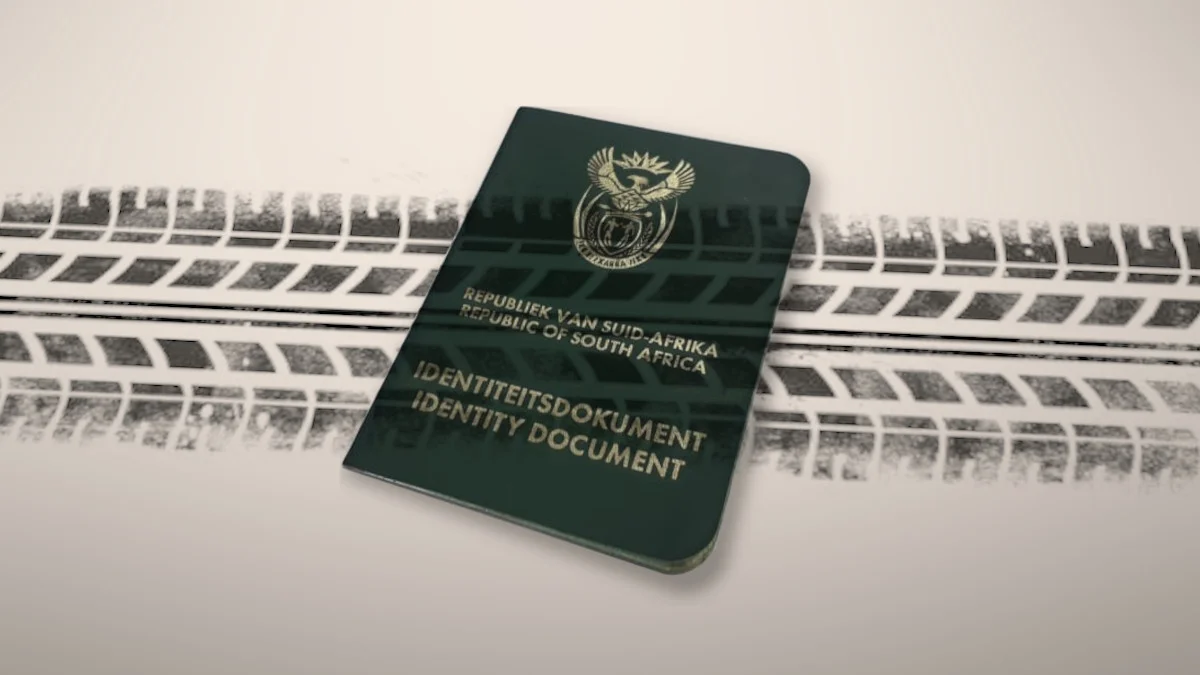
South Africa’s Department of Home Affairs has significantly accelerated its timeline for phasing out the iconic green barcoded ID book, revealing ambitious new plans to transition the nation towards a digital identity ecosystem by 2029. In its updated strategic plan for 2026/27, the DHA has reframed its approach to identity management, moving beyond simply replacing the green ID with Smart ID cards and instead positioning itself to deliver a comprehensive digital infrastructure that will fundamentally reshape how citizens interact with government services.
What’s particularly striking about this shift is that the department has reclassified the green ID discontinuation as a mid-term objective rather than a final goal, signalling a much more aggressive implementation schedule than previously outlined. The new end-target now focuses on achieving universal enrolment into the Smart ID system for all South African citizens, naturalised citizens, and permanent residence holders—a considerably broader ambition that reflects the government’s commitment to leaving no one behind in this digital transition.
The reasoning behind this recalibration is straightforward: without rapidly retiring the green barcoded book, the DHA simply cannot roll out the innovative technologies it’s planning. These include a “digital twin” version of the Smart ID that will allow citizens to carry their identity credentials on their smartphones, accessing government services without setting foot in a physical office. It’s a vision that speaks to how far identity management in South Africa has come since the green ID’s introduction decades ago.
To make this transformation realistic rather than aspirational, the DHA has been strategic about building partnerships. The department has already rolled out Smart ID processing across more than 180 bank branches nationwide, a move that dramatically expands processing capacity beyond traditional Home Affairs offices. These private-sector collaborations extend to opening DHA service points in shopping malls, bringing identity services directly to where South Africans already gather. Additionally, a fleet of 220 mobile offices is being deployed to reach rural communities where physical infrastructure remains limited.
The department has been candid about one of the biggest challenges it faces: many Home Affairs offices, particularly in remote areas, lack modern live-capture technology needed to process applications efficiently. The banking partnerships directly address this gap, allowing customers visiting their banks for routine transactions to simultaneously apply for or renew their Smart IDs without additional travel or time investment.
The digital identity revolution reshaping South Africa’s governance landscape
What the DHA is essentially building is nothing short of a complete reimagining of state-citizen interactions through smart ID and digital identity platforms. Beyond simply issuing plastic cards, the department is constructing a National Digital Identity (NDI) platform that merges sophisticated biometric verification with mobile authentication—essentially creating a verification system so secure that forgery and tampering become virtually impossible.
This digital wallet concept extends far beyond identity itself. By 2029, the DHA envisions storing at least 15 additional government documents and credentials within smartphone-based digital wallets. Imagine accessing your passport, driving licence, medical records, or benefits information without carrying a physical document or visiting a government office. That’s the operational reality the department is working towards.
The Government Printing Works, traditionally synonymous with producing physical security documents, is actively collaborating with the DHA on this digital transformation. The organisation is simultaneously conceptualising e-Passports and ensuring its strategic approach maintains space for both physical and digital products during this transitional period. This dual-track approach acknowledges that not all citizens will immediately embrace digital-only identity solutions, and that certain use cases will continue requiring physical documents for the foreseeable future.
Home Affairs Minister Leon Schreiber’s department has positioned 2029 as the critical juncture when this entire system converges. By that date, the green ID should be entirely phased out, the Smart ID should achieve near-universal coverage, digital identity credentials should be fully operational, and citizens should have genuine choice in how they verify their identity—whether through physical cards, digital wallets, or biometric verification.
The Digital Identity Policy framework is already under development, indicating the department recognises that technological capability alone won’t suffice; robust legal and regulatory scaffolding must accompany the rollout. This suggests the DHA has learned lessons from previous identity system implementations and is determined to avoid repeating those mistakes.
What’s being constructed here represents a significant leap forward for South African governance. The transition from the green ID to this comprehensive digital identity ecosystem signals a government institution finally moving at the speed the digital age demands, partnering strategically with private enterprise, and thinking beyond the immediate replacement of one document with another. Whether the DHA can actually deliver on these ambitious targets within the specified timeframe remains to be seen, but the strategic planning and infrastructure investments currently underway suggest this transformation is far more than rhetorical posturing.