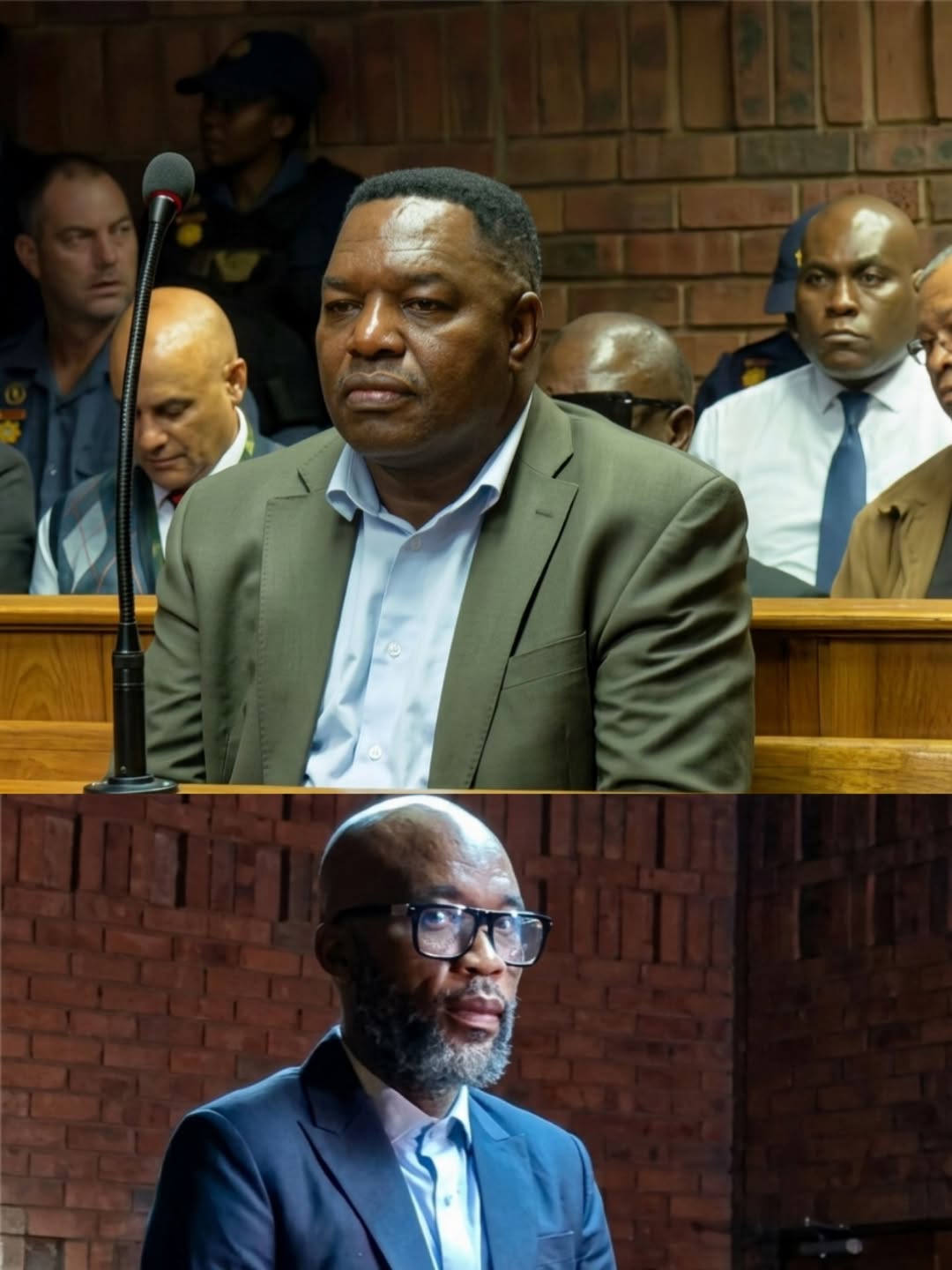
National Police Commissioner Fannie Masemola is scheduled to make a court appearance next month as the controversial R360 million SAPS health services tender case continues to unfold in the Pretoria courts. The senior police official will face the bench on 13 May 2026, appearing alongside other accused parties including businessman Vusumuzi ‘Cat’ Matlala and several high-ranking South African Police Service officials who are implicated in what has become one of the country’s most scrutinised procurement scandals.
The R360 million SAPS tender has dominated headlines over recent years, with the procurement process coming under intense scrutiny following comprehensive audits that exposed a range of irregularities and procedural failings. What began as a straightforward health services contract ballooned into a major investigation involving multiple government departments and law enforcement agencies determined to uncover the full extent of any wrongdoing. As we’ve reported at SA Report, the tender was ultimately cancelled in 2025 after these serious concerns came to light.
The charges facing different accused vary considerably. While some co-accused have been charged with fraud and corruption, Masemola’s specific charges relate to alleged breaches of the Public Finance Management Act. These allegations centre on compliance failures and, critically, how senior officials handled warnings and red flags that were raised about the tender throughout the procurement process. This distinction suggests the investigating teams believe Masemola’s conduct fell short in different ways than his co-accused, focusing on administrative and governance lapses rather than direct financial misconduct.
The broader investigation has revealed just how deep the cracks ran within SAPS procurement systems. Multiple officials at various levels of the organisation have been implicated in the case, raising uncomfortable questions about oversight, accountability, and the effectiveness of internal controls within one of South Africa’s most important institutions. The fact that such a large sum—R360 million—could be allocated to a tender with such glaring irregularities speaks to systemic governance issues that extend beyond individual wrongdoing.
The SAPS tender case exposes deeper procurement governance challenges
What makes the SAPS tender scandal particularly significant is what it reveals about how government contracts are awarded and monitored at the highest levels of the police service. The tender was designed to secure health services provision for police personnel and their families, making it essential infrastructure rather than peripheral spending. When audits began uncovering irregularities, it became clear that standard checks and balances had either failed or been circumvented entirely.
The involvement of Masemola is particularly noteworthy given his position as the country’s top police official. His appearance in court signals that no rank is beyond scrutiny when it comes to government accountability, though the nature of his charges—centring on compliance and administrative failures—does distinguish his case from the more serious fraud allegations facing some co-accused. The Public Finance Management Act breaches he faces speak to a breakdown in how information was processed and acted upon during the tender process.
Over the coming weeks and months, as the case progresses through the courts, South Africans will likely learn much more about the decision-making processes within SAPS procurement, who knew what when, and what warnings were issued to whom. The appearance scheduled for next month represents another chapter in what promises to be a lengthy legal process. Multiple appearances typically lie ahead in cases of this complexity and scale, with procedural hearings, evidence presentations, and potentially plea negotiations all potentially featuring in the months to come.
The R360 million tender cancellation has already sent ripples through government procurement practices more broadly. Other departments have begun reviewing their own contracting procedures, and there’s been increased scrutiny of how large government tenders are approved and monitored. Whether this leads to systemic reform or represents merely a temporary tightening of procedures remains to be seen, but the reputational damage to SAPS and broader questions about institutional governance are already significant.
As the matter heads back to court on 13 May 2026, all eyes will be on how this case develops and what further details emerge about the tender process that went so badly wrong. For South Africans watching the country’s governance and accountability mechanisms in action, this case serves as a crucial test of whether institutions can hold even their highest officials to account.