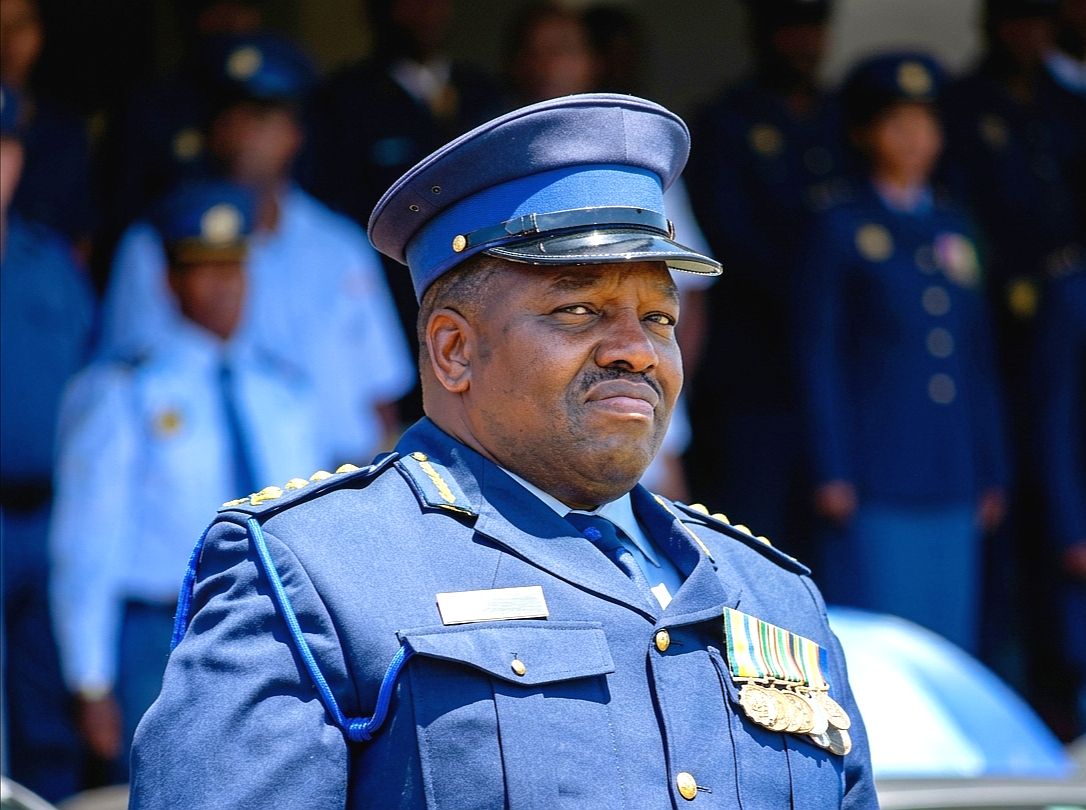
The National Police Commissioner General Fannie Masemola made a significant court appearance in Pretoria today, summoned by the National Prosecuting Authority over a sprawling corruption investigation involving a R360 million tender awarded to a private health services provider. The case has sent shockwaves through South Africa’s law enforcement hierarchy, exposing what authorities describe as serious irregularities in a contract meant to deliver critical medical support to thousands of uniformed officers across the country.
This isn’t a small-scale procurement mishap. The tender at the heart of the investigation was designed to provide comprehensive health services to members of the South African Police Service, but the arrangement fell apart when officials uncovered major red flags in how the contract had been awarded. What started as what should have been a straightforward healthcare provision agreement spiralled into one of the most significant corruption probes targeting the upper echelons of our policing establishment in recent memory.
The scale of the investigation is perhaps best illustrated by the fact that it has already resulted in the arrest of businessman Vusimuzi “Cat” Matlala and 12 senior police officials. These aren’t peripheral figures — they’re people who held positions of trust and responsibility within the service. The breadth of the arrests suggests investigators believe the irregularities weren’t isolated incidents but rather part of a coordinated scheme involving multiple players across different levels of the organisation.
The R360 million SAPS tender case unfolds in Pretoria court
Masemola’s appearance carries particular weight given his standing as the country’s top police official. Unlike some who might resist or deflect from such proceedings, the Commissioner has indicated his willingness to cooperate fully with the investigation. He’s made public statements welcoming the scrutiny, framing it as necessary for restoring public confidence in an institution that has faced mounting criticism over governance and integrity issues in recent years.
The court proceedings today were focused on outlining the formal charges against Masemola and establishing the timeline for future hearings. These early-stage court appearances often serve as crucial moments where the full scope of allegations becomes clearer, and where the judicial system signals its seriousness about the matter. The fact that the case landed in the Pretoria Magistrate’s Court suggests it may face transfer to a higher court given its complexity and the seniority of those involved.
What’s particularly significant here is that this investigation represents the kind of internal accountability mechanism that South Africans have been demanding from our security forces. For years, critics have argued that corruption within the police service goes unchecked, with those at the top protected by institutional loyalty and political connections. This case suggests that at least some parts of our justice system are prepared to follow the evidence wherever it leads, regardless of rank or position.
The cancelled contract itself tells a story of how corruption can infiltrate even essential services. A R360 million commitment represents substantial public funds — money that could have directly improved the lives and health outcomes of serving officers and their families. Instead, if the allegations bear out, those funds were potentially diverted through improper channels, enriching private individuals whilst the intended beneficiaries were left without proper healthcare provision.
Masemola’s cooperation stance is noteworthy because it contrasts sharply with the defensive posturing we often see from senior officials facing investigation. He hasn’t attacked the credibility of the probe, hasn’t suggested political motivations, and hasn’t attempted to shield himself through legal manoeuvres designed to delay or obstruct. Whether this reflects genuine commitment to transparency or tactical positioning remains to be seen, but his public positioning has at least set a tone that suggests the investigation will proceed without the kind of institutional obstruction that has hampered previous corruption probes.
The investigation’s reach extends beyond just the tender itself. The involvement of a well-known businessman suggests potential links to private sector actors who may have played instrumental roles in structuring the deal. The participation of 12 senior police officials indicates this wasn’t a one-person operation but rather something that required buy-in from multiple decision-makers and gatekeepers within the system.
As the case progresses through the courts, South Africans will be watching closely to see whether the justice system can follow through on what it has started. The credibility of our institutions depends on such investigations being pursued with rigour and impartiality, regardless of the rank of those involved. Today’s court appearance represents just the opening chapter of what promises to be a protracted and complex legal battle that will test whether accountability truly applies equally in our country.