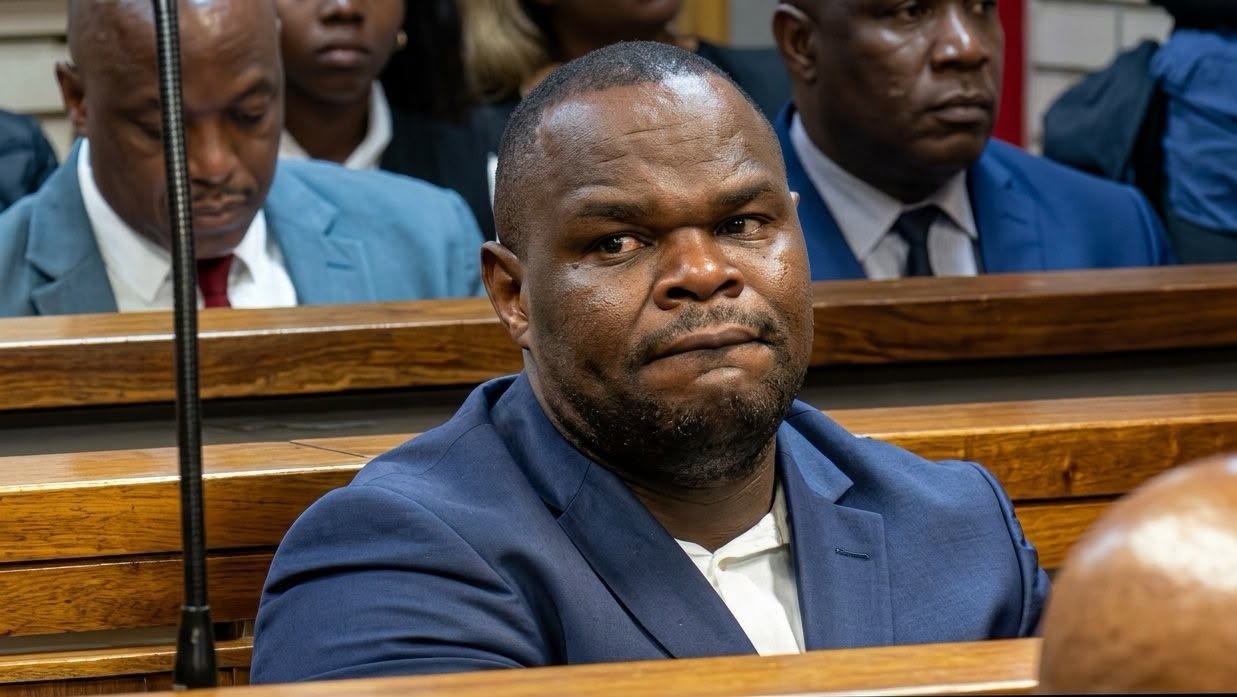
Proceedings have resumed at the Pretoria North Magistrate’s Court in what’s shaping up to be a significant bail hearing for Sergeant Fannie Nkosi, a suspended member of the South African Police Service facing serious criminal charges. The 42-year-old officer was arrested on April 2 following a police operation at his home that uncovered an alarming cache of weapons and cash, according to court documents and law enforcement sources we’ve reviewed.
The discovery at Nkosi’s residence revealed unlicensed firearms, ammunition, a hand grenade, case dockets, and approximately R50,000 in cash — findings that have formed the backbone of charges now being pursued by the State. This isn’t a straightforward weapons possession matter; the allegations suggest a pattern of serious misconduct that goes to the heart of how we expect our law enforcement officials to conduct themselves both on and off duty.
The State has made its position crystal clear in these proceedings — they’re opposing Nkosi’s bail application outright. This stance reflects the gravity with which prosecutors are viewing the case and what they perceive as genuine flight risk or danger to public safety. When state prosecutors actively fight bail, it typically signals they believe there are compelling reasons to keep an accused in custody pending trial.
Bail hearing for suspended sergeant reveals troubling allegations in Pretoria North case
Nkosi’s legal troubles extend across multiple serious charges. He faces counts of defeating the ends of justice, alongside unlawful possession of explosives and ammunition — offences that carry substantial sentencing implications if he’s eventually convicted. The “defeating the ends of justice” charge is particularly telling, as it suggests prosecutors believe he’s taken steps to obstruct investigations or tamper with evidence, adding another layer of concern to this already complex case.
The bail hearing itself has been a drawn-out affair, with proceedings resuming as both defence and prosecution teams present their arguments before the magistrate. These hearings are where the public record becomes clearer about exactly what evidence investigators have gathered and what the State believes it can prove. While we await the magistrate’s decision, the very fact that the State is mounting such vigorous opposition tells us this case is being treated with utmost seriousness within prosecutorial circles.
What makes this particular matter noteworthy for South Africans is the involvement of a serving police officer — even though he’s been suspended. Our trust in law enforcement depends significantly on the integrity of those wearing the badge. When those individuals are themselves alleged to have engaged in criminal conduct, it strikes at the legitimacy of the broader institution. The discovery of weapons, explosives, and substantial cash at an officer’s residence naturally raises uncomfortable questions about how such items came into his possession and whether they were connected to his official duties.
The investigation appears to have been thorough from the outset. The items seized — ranging from the firearms and ammunition to the hand grenade — suggest investigators were looking at something far more serious than simple negligent storage or a single isolated incident. The presence of case dockets at his home is particularly intriguing, as it hints at possible links to active police investigations or sensitive operational matters.
As this bail hearing continues to unfold in Pretoria North, all eyes remain on what the magistrate will ultimately decide. The court’s ruling on bail will serve as an important indicator of how seriously the judicial system views the accusations against this suspended SAPS member. Whether Nkosi is released on bail with conditions or remains in custody pending trial could significantly impact how the case develops moving forward. We’ll continue monitoring these developments closely and will bring updates as the matter progresses through the courts.