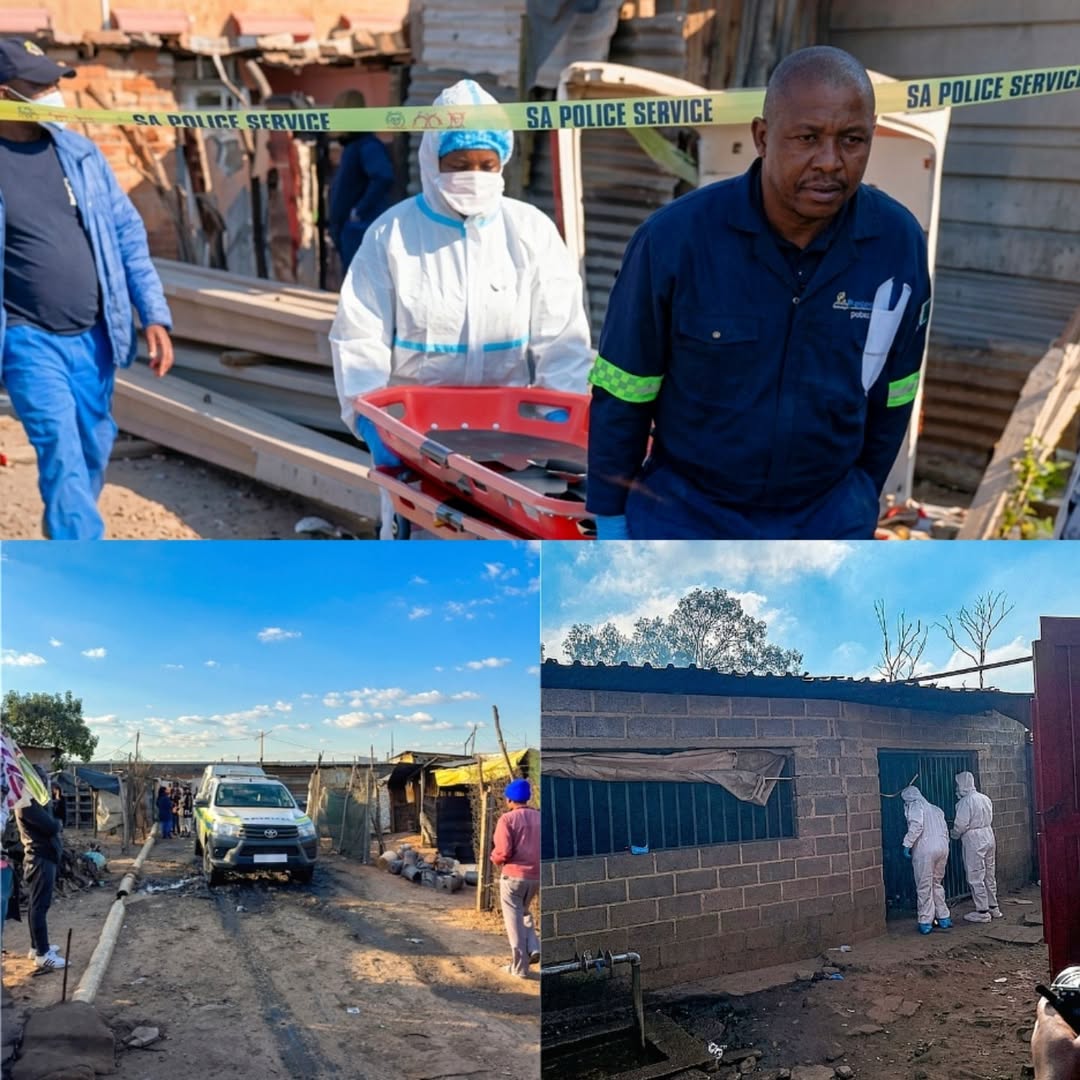
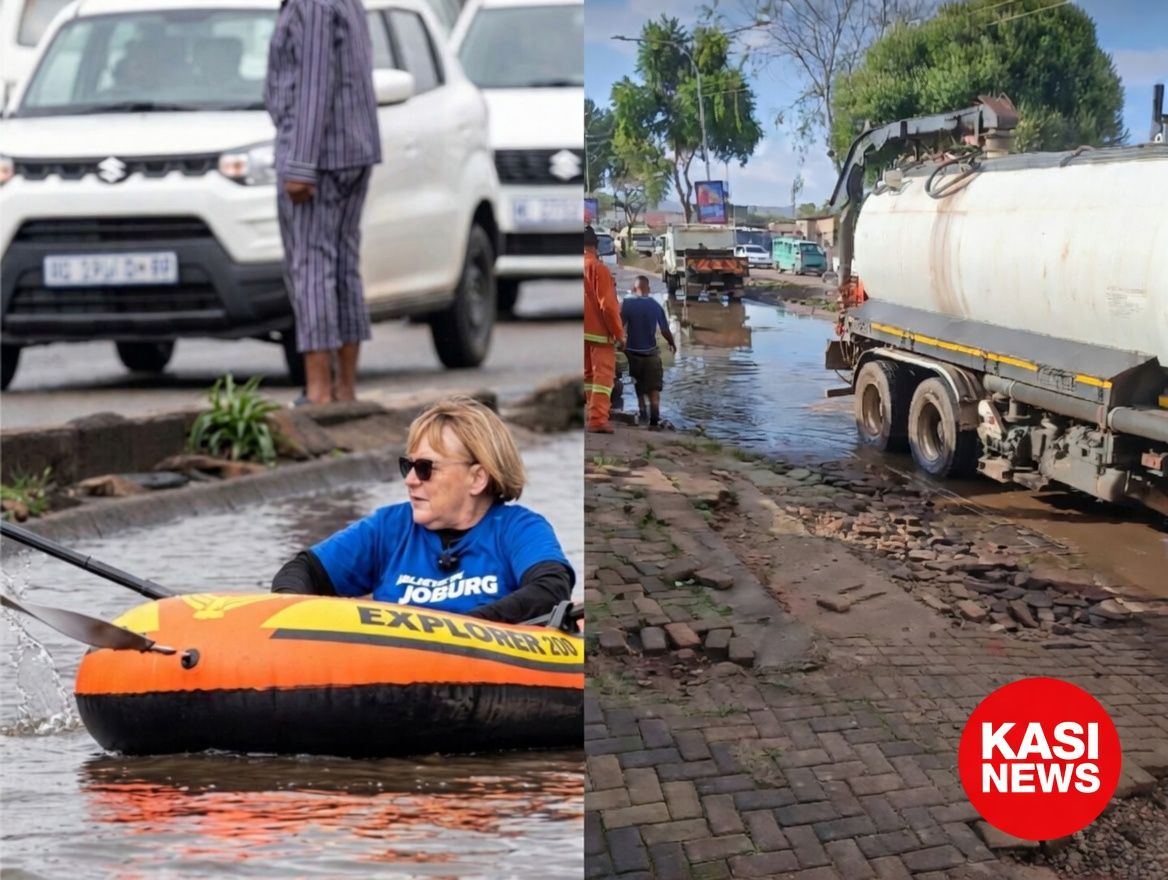
The video that has been circulating on social media shows Helen Zille, former Democratic Alliance leader and current parliamentarian, deftly navigating a flooded Johannesburg street in an inflatable boat. The footage, taken on a rainy Saturday morning, captures murky water lapping at the tyre‑worn tarmac while a lone figure paddles along, raising more than a few eyebrows across the city. Within hours, the clip exploded on platforms like Twitter, Facebook and TikTok, prompting a cascade of comments that range from praise for “calling attention to the daily struggle” to accusations of a staged publicity stunt. As we reported earlier, South Africans are no strangers to flash floods, yet the sight of a senior politician braving the abyss in a bright orange boat has turned a routine service‑delivery headache into a national conversation.
The scene unfolded on Johannesburg’s O’Reilly Street, a thoroughfare which locals describe as a “river in winter”. Heavy downpours in the recent days have overwhelmed drainage systems, leaving residents wading through ankle‑deep water and cars stranded on what were once ordinary commuter routes. In the clip, Zille can be heard laughing as she steers the modest vessel past broken curbs and heaps of litter, while passers‑by shout words of encouragement and, in some cases, skepticism. The video’s raw authenticity – unscripted, muddy, and punctuated by the occasional splash of tire‑filled potholes – resonated with many who have lived this reality for months.
Opponents, however, have been quick to label the spectacle a calculated move to generate media buzz. Critics point out that the Democratic Alliance has been courting the narrative of “failed municipalities” ahead of upcoming local government elections, and they argue that Zille’s appearance in the inflatable boat distracts from substantive policy solutions. “It’s a classic stunt,” one commentator wrote on a popular news portal, “turning a serious issue of service delivery failure into a piece of viral content.” The sentiment is echoed in several Facebook groups where residents have expressed frustration that political figures appear to capitalise on their hardship rather than provide lasting relief.
In a twist that adds another layer to the debate, a municipal water‑tank truck arrived on the scene within twenty‑four hours of the video’s online debut. City crews began pumping out the stagnant water and set up temporary barriers to prevent further flooding. The timing has raised eyebrows among observers: Did the viral clip accelerate the municipal response, or had the authorities already mobilised resources? Our sources indicate that the city’s emergency response plan was already in motion, but the heightened public attention may have placed additional pressure on officials to showcase swift action.
The broader context of Johannesburg’s drainage woes cannot be ignored. According to the Gauteng‑based Water Research Commission, the city’s storm‑water infrastructure is operating at only 60 % of its designed capacity, a shortfall that has worsened as urban sprawl intensifies. Recent reports from the Department of Human Settlements note a sharp rise in flood‑related insurance claims, with residents in low‑lying suburbs filing over 1 500 new cases in the last quarter alone. These statistics illustrate a systemic problem that extends far beyond a single politician’s boat ride.
Residents who have lived through the floods describe a scene of chaos that predates any camera lens. “We have been waking up to water on our porches for weeks,” says Sipho Mthembu, a shop owner on the affected street. “The city says they’re fixing it, but the water keeps coming back.” Others, like Thandi Ngcobo, a mother of three, recount the challenges of getting children to school when streets turn into canals. “It’s not about one video,” she adds, “it’s about the daily battle to keep our families safe.”
While public debate rages, the Democratic Alliance has defended Zille’s actions. In a press release, the party described the footage as “a stark illustration of the reality many South Africans endure on a daily basis.” The statement emphasised that Zille’s presence was intended to “highlight the urgency of demanding better infrastructure investment from municipal authorities.” The party also hinted at forthcoming legislative proposals aimed at bolstering municipal oversight and expanding flood‑mitigation budgets.
The incident also sparked an unexpected surge in online searches for “Johannesburg flood relief” and “inflatable boat safety”, suggesting that the stunt has inadvertently raised awareness about emergency preparedness. Local NGOs have reported a 30 % increase in volunteers signing up for community clean‑up initiatives in the weeks following the viral clip. In a statement, the Johannesburg Disaster Management Centre thanked the public for their heightened vigilance and urged citizens to report blocked drainage points via their official app.
Helen Zille flood boat stunt ignites nationwide dialogue on service delivery
The ripple effect of Zille’s paddling escapade has extended well beyond the streets of O’Reilly. Nationally, political analysts are dissecting the episode as a case study in how media‑savvy campaigning can intersect with genuine municipal crises. Professor Lerato Khumalo, a political communication expert at the University of the Witwatersrand, notes that “the convergence of a high‑profile figure, a visually striking image, and an existing grievance creates a perfect storm for viral amplification.” She adds that such moments can serve as catalysts for public policy discussions, provided they are followed by concrete action.
On the ground, however, many remain wary that the spectacle will fade as quickly as it arrived. “We need more than videos,” says Miriam Patel, a community leader in the nearby suburb of Orange Grove. “We need permanent solutions – upgraded drainage, regular maintenance, and transparent budgeting.” Her plea echoes a broader sentiment among South Africans who feel that episodic media moments often eclipse the sustained, systemic effort required to fix ageing infrastructure.
As the city continues its clean‑up, residents are already preparing for the next downpour. The Johannesburg Water and Sanitation Department has announced a temporary increase in patrols of vulnerable corridors, while the municipal council has scheduled an emergency meeting to review its storm‑water management plan. Whether Zille’s inflatable boat will be remembered as a catalyst for change or merely a passing fad remains to be seen, but the public’s reaction underscores how deeply the issue of flooding resonates across the city.
In the final analysis, the footage of Helen Zille weaving through water‑logged lanes has done more than generate clicks; it has thrust a chronic urban challenge into the national spotlight, compelling politicians, officials, and ordinary citizens to confront a reality that has long been simmering beneath the surface. Whether the ensuing debate translates into concrete infrastructure upgrades or fades as the next storm passes, the moment reminds us that in South Africa, the line between political theatre and everyday hardship is often razor‑thin, and that real change demands both visibility and action.