South African motorists are rapidly tipping the scales in favour of plug‑in hybrids, a shift driven by tighter fuel budgets, an expanding model roster and price points that finally sit under the R500 000 barrier. Lightstone Auto data shows the share of new‑energy vehicles climbing steadily, with buyers gravitating towards PHEVs that combine electric‑only commuting with the reassurance of a petrol engine for longer trips.
The appeal is straightforward: plug‑in hybrids can be recharged from a standard wall socket, delivering up to 100 km of zero‑emission city driving, yet they retain the range and flexibility of a conventional engine when the charging infrastructure is scarce. In a country where fast‑charging stations are still being rolled out and grid stability can be unpredictable, that hybrid safety net is a decisive factor for many South Africans.
Chinese manufacturers have been the biggest catalysts, flooding the market with competitively priced models that undercut traditional European offerings. The BYD Sealion 5 became the first sub‑R500 000 PHEV on local showrooms, setting a new benchmark for affordability without sacrificing performance. Meanwhile, premium brands are escalating the technology, adding larger battery packs and more powerful electric motors to cater to affluent buyers seeking both status and sustainability.
Plug‑in hybrid market snapshot: key models and their specs
| Model | Starting price (R) | Power (kW) | 0‑100 km/h | Top speed (km/h) | Fuel consumption (l/100 km) |
|---|---|---|---|---|---|
| BYD Sealion 5 | 499 900 | 156 | 8.5 s | 170 | 1.4 |
| Geely E5 EM‑i | 599 999 | 160 | 8.0 s | 175 | 1.4 |
| Chery Tiggo 7 Pro CSH | 619 900 | 265 | 7.4 s | 180 | 1.4 |
| BYD Sealion 6 | 639 900 | 160‑238 | 8.5 s (5.9 s AWD) | 170 | 2.0 |
| Jetour T1 i‑DM | 689 900 | 250 | 7.8 s | 180 | 1.4 |
| Jaecoo J7 SHS | 689 900 | 255 | 7.5 s | 185 | 4.6 (combined) |
| Omoda C7 PHEV | 689 900 | 255 | 7.4 s | 190 | 1.4 |
| Haval H6 Ultra Luxury 4WD | 749 900 | 268 | 4.8 s | 190 | 1.7 |
| Leapmotor C10 RE‑Design | 814 900 | 158 | 7.3 s | 170 | 1.2 |
| BYD Shark 6 (bakkie) | 959 900 | 321 | 5.7 s | 160 | 2.0 |
| Omoda C9 Explore AWD | 999 900 | 440 | 4.9 s | 200 | 1.4 |
| BMW X1 xDrive30e | 1 050 000 | 240 | 5.6 s | 205 | 1.9 |
| Volvo XC60 T8 Recharge | 1 314 000 | 340 | 4.8 s | 180 | 1.9 |
| Lexus NX 450h+ F Sport | 1 336 000 | 227 | 6.5 s | 200 | 1.6 |
| Range Rover Evoque P300e | 1 700 000 | 227 | 6.4 s | 213 | 2.4 |
| Porsche Cayenne e‑Hybrid | 2 610 000 | 382‑544 | 4.7 s | 263 | 3.0 |
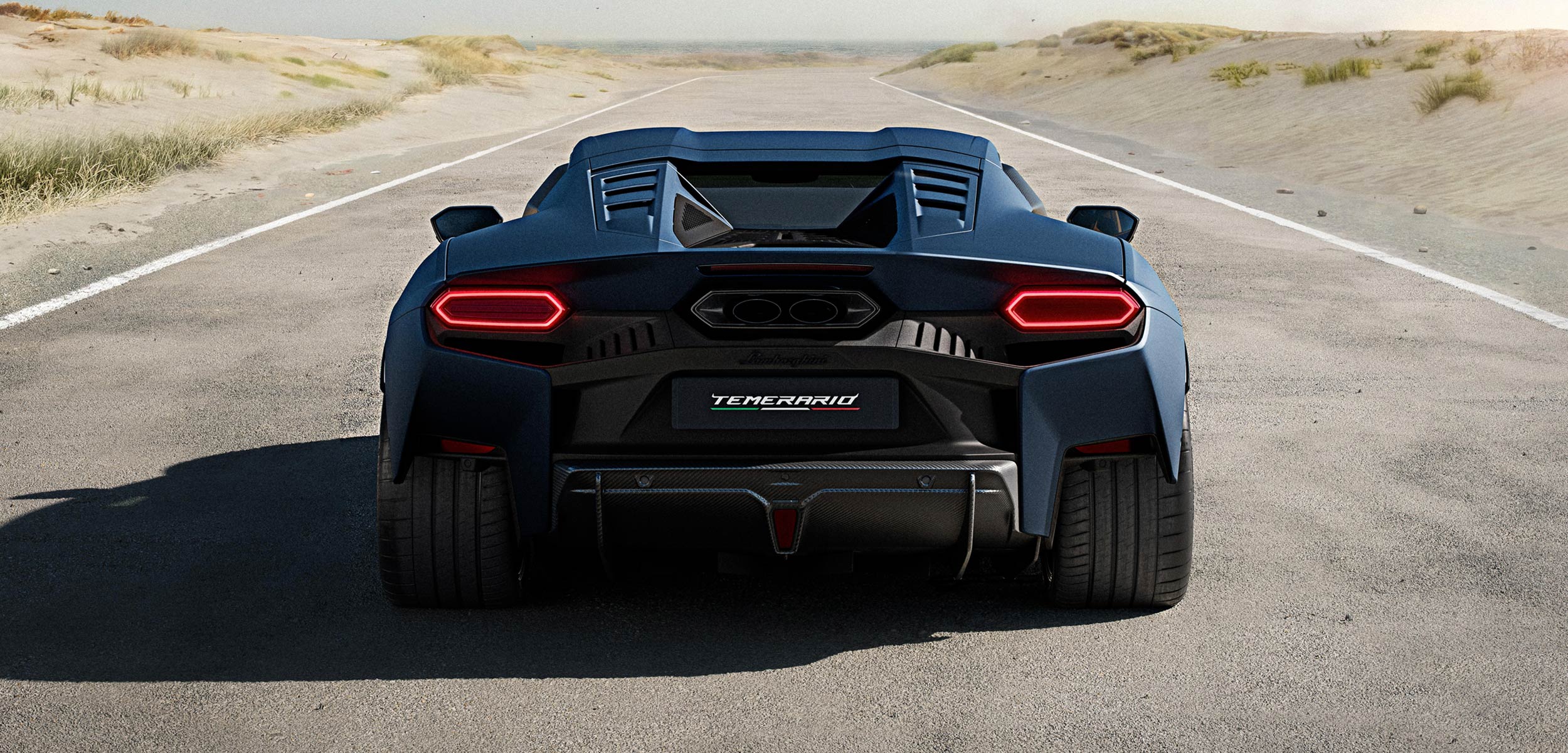
| Lamborghini Revuelto | 12 800 000 | 747 | 2.5 s | 350+ | 14.3 |
The table highlights how the market now spans entry‑level models under R500 000 to ultra‑luxury hyper‑cars topping out at over R12 million. The sheer breadth of options indicates that plug‑in hybrid technology is no longer a niche for early adopters; it is a mainstream proposition covering budget, family, utility and performance segments.
The surge in model diversity is mirrored by a shift in consumer sentiment. A recent poll of South African car owners revealed that 68 % now consider fuel efficiency a top priority, while 55 % expressed willingness to pay a modest premium for electric capability. That sentiment is bolstered by government incentives that, although modest compared to European schemes, still provide a R15 000 rebate on vehicles with combined emissions below 130 g CO₂/km.
Infrastructure, however, remains a challenge. The nation’s public charging points have grown to just over 1 200 locations, a fraction of the kilometres of road network. Consequently, PHEVs that can operate primarily on electricity at home while falling back on petrol for longer journeys are unlocking the practical benefits of electrification without demanding a complete overhaul of the charging ecosystem.
What the numbers mean for South African drivers
The average fuel consumption across the plug‑in hybrid segment sits at 1.8 l/100 km, dramatically lower than the 7–9 l/100 km typical of conventional compact sedans. For a driver covering 20 000 km a year, that translates to roughly R13 000–R18 000 saved on fuel, assuming a R22 per litre price. When combined with lower road‑tax brackets for greener vehicles, the total cost‑of‑ownership advantage becomes even more compelling.
Battery warranties are also standardising, with most manufacturers offering 8‑year or 150 000 km coverage, easing concerns about long‑term degradation. The industry is gradually moving towards larger battery capacities – the Leapmotor C10’s 28.4 kWh pack and the Omoda C9’s 34.5 kWh pack are examples that push pure‑electric ranges beyond the 100 km mark, narrowing the gap with full‑EVs.
Consumers keen on a budget‑friendly entry point will likely gravitate towards the BYD Sealion 5 or Geely E5 EM‑i, both priced below R600 000 and offering respectable power and fuel‑sipping figures. Families needing space and flexibility can look at the Chery Tiggo 8 Pro CSH Apex or the Omoda C9, which combine seven‑seat practicality with a robust hybrid drivetrain.
For performance enthusiasts, the Haval H6 Ultra Luxury 4WD and the Lamborghini Urus SE illustrate how plug‑in hybrids can deliver super‑car acceleration – 0‑100 km/h in under 5 seconds – while still qualifying for green incentives.
The bottom line is clear: plug‑in hybrids have moved from a peripheral curiosity to a central pillar of South Africa’s automotive future. With price points finally aligning with the average consumer’s budget, an expanding charging footprint, and tangible savings on fuel, the technology is poised to dominate the passenger‑vehicle landscape in the years ahead. As the market continues to evolve, drivers who adopt PHEVs now will reap the financial and environmental rewards long before the nation’s full‑EV charging network reaches maturity.