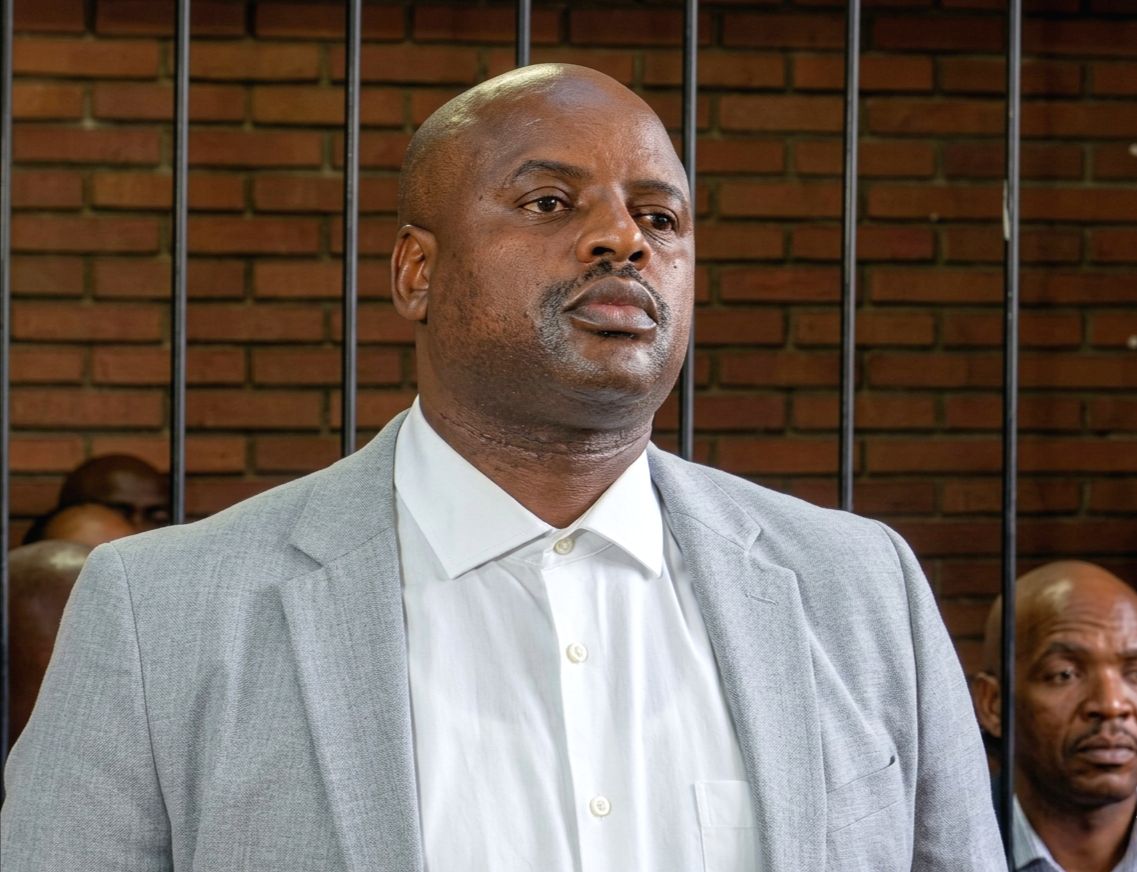
The stakes couldn’t be higher for Julius Mkhwanazi, the deputy chief of the Ekurhuleni Metropolitan Police Department, as he fights to secure bail in what’s become a high-profile corruption case. During his appearance at the Boksburg Magistrate’s Court, the senior law enforcement officer laid bare the financial and professional consequences he faces if convicted — a R7 million pension accumulated over two decades of service hanging in the balance. This isn’t just about freedom of movement; it’s about a man’s entire career and retirement security potentially evaporating if he’s found guilty of the charges stacked against him.
Mkhwanazi presented himself as a man with deep roots in South Africa and the institution he’s served since 2003. He told the court he holds a valid passport but is willing to surrender it immediately if bail conditions require it. More significantly, he stressed that he has no family living abroad — a crucial point in demonstrating he has no flight risk. For someone in his position, these details matter enormously when a magistrate is weighing whether to release someone or keep them in custody pending trial.
The allegations facing Mkhwanazi are serious: corruption, fraud, and defeating the ends of justice. Yet in his testimony, he came across as confident in his eventual vindication. He maintained his innocence categorically and indicated his intention to plead not guilty when the case proceeds to trial. From his perspective, the evidence against him simply doesn’t stack up — a claim that may or may not hold water once cross-examination begins and the State’s case unfolds fully in court.
What’s particularly striking about this matter is Mkhwanazi’s allegation about the timing of his arrest. He suggested the timing is politically motivated, claiming the charges are designed to prevent him from applying for the EMPD Chief position later this year. Whether this allegation has merit or is merely a defensive strategy remains to be seen, but it speaks to the politically charged atmosphere that sometimes surrounds senior police appointments in South Africa.
Mkhwanazi’s bail application reveals pension fears and claims of political interference in EMPD case
During his bail application proceedings, Mkhwanazi presented a picture of financial stability and community ties that, on paper at least, suggests he’d be a suitable candidate for release. He told the court he has R10,000 immediately available for bail and can raise additional funds if the magistrate demands a higher amount. This financial flexibility is another indicator courts typically look for when assessing whether an accused is likely to abscond.
Health considerations also featured in his plea to the court. Mkhwanazi disclosed that he suffers from Type 2 diabetes, a chronic condition that requires ongoing medical management and monitoring. Being detained in custody can complicate medical care for such conditions, something magistrates often take into account when considering bail applications — particularly for accused persons with no history of violent crime or previous convictions.
Regarding his engagement with the investigation, Mkhwanazi assured the court he would not interfere with any ongoing police enquiries. He also stated he doesn’t know any of the witnesses who may testify against him, which technically removes one potential concern prosecutors sometimes raise: that an accused might intimidate or tamper with evidence or witnesses. His argument that his release wouldn’t disturb public order is standard bail application language, but given his professional standing as a senior police officer, there’s arguably some credibility to it.
The State’s case against him is what will ultimately determine the trajectory of this case. From Mkhwanazi’s perspective — and this is where he and his legal team are clearly positioning their argument — the prosecution’s evidence is weak. He characterised it as “non-existent,” which is an aggressive stance for an accused person to take. Whether this confidence is justified or misplaced will become apparent as the matter progresses through the courts.
What makes this case particularly significant for South Africa’s policing landscape is the seniority of the accused. Deputy chiefs don’t end up in the dock every day, and when they do, it inevitably raises questions about institutional integrity and the processes that allowed someone to reach such a position if serious criminal conduct is later alleged. The pension he stands to lose — that R7 million — represents roughly 20 years of contributions and service to the EMPD and reflects the financial investment the state made in his career.
His arrest last Saturday and processing at Midrand police station marked the beginning of what could be a lengthy legal battle. The magistrate’s decision on bail will be telling: it will indicate, to some degree, how seriously the court views the charges and the State’s case. For Mkhwanazi, release on bail would allow him to continue his normal life while preparing his defence, whereas continued detention would severely hamper his ability to consult with his legal team and gather evidence in his favour.
The EMPD itself will be watching this case closely. As we’ve seen repeatedly in South African policing, high-profile criminal charges against senior officers can damage institutional morale and public confidence. The allegations — if proven — would represent a serious breach of the public trust placed in someone tasked with maintaining law and order. Yet, as Mkhwanazi’s defence highlights, the court system operates on the principle of innocence until guilt is proven beyond reasonable doubt, and his legal right to bail pending trial is a cornerstone of South African jurisprudence that protects all accused persons.