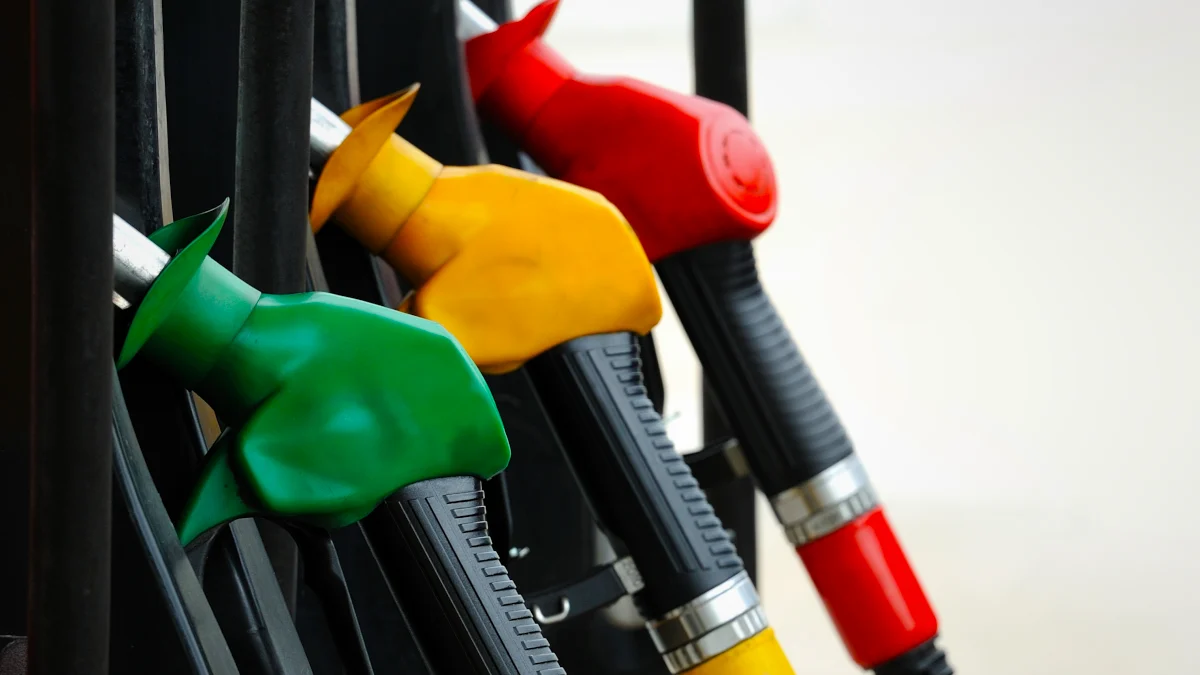
South Africa is staring down the barrel of another substantial fuel price increase come May, with data from the Central Energy Fund revealing only modest recoveries over the past fortnight—nowhere near enough to spare motorists from another heavy blow at the pumps. The latest snapshot shows a mixed picture of under-recoveries trending downward, but the relief remains painfully insufficient to prevent what experts are predicting will be a significant fuel price hike when the new tariffs take effect.
The CEF’s most recent assessment paints an initially encouraging picture. When April began its second full week, petrol 95 sat with an under-recovery of R7.88 per litre, while diesel (0.005% sulphur) languished at R17.57 per litre. Fast-forward just two weeks, and these figures have more than halved—but the damage is already locked in. Petrol’s under-recovery has nosedived to between R2.29 and R2.63 per litre, representing a 67% reduction from the month’s opening position. Diesel, meanwhile, has retreated to around R8.05 per litre, a 54% pullback over the same period.
Here’s what motorists can expect when the fuel prices adjust at the end of this review cycle: petrol 93 will increase by R2.29 per litre, whilst petrol 95 faces an increase of R2.63 per litre. For those relying on diesel, the news is grimmer—diesel 0.05% (wholesale) will climb by R8.06 per litre, with diesel 0.005% (wholesale) rising by R8.07 per litre. Even illuminating paraffin users will feel the pinch with an increase of R6.52 per litre. The CEF has not yet released daily snapshot data for LP Gas, making it impossible to project pricing for that product.
Fuel price projections remain volatile amid Middle East uncertainty
What’s crucial to understand here is that the fuel price projections we’re looking at remain heavily dependent on external geopolitical factors. The international petroleum market, which accounts for over 95% of the under-recovery shortfall, continues to be turbulent thanks to the Middle East conflict. The war itself triggered immediate oil price surges, but the recovery phase—what we’re witnessing now—is proving far more gradual and unpredictable than the sharp spike that kicked things off.
According to Investec Chief Economist Annabel Bishop, the market’s hesitancy to drive energy prices down more aggressively stems from lingering doubt about whether the Middle East ceasefire will actually hold. Infrastructure damage and impeded supply routes mean that fuel prices are only inching downward—a stark contrast to the near-instantaneous spike witnessed when the conflict first erupted. Bishop emphasised that the final under-recovery figures will prove absolutely crucial when the 6 May fuel price adjustment is announced, with another two weeks of trading still ahead.
The situation is further complicated by what’s happening on the domestic policy front. Government interventions are expected to be announced soon, and economists are keeping close tabs on how the National Treasury’s direct fuel relief measures develop. This isn’t merely a matter of market forces—our fiscal authorities are actively engaged in trying to cushion the blow.
Citigroup has weighed in with some potentially encouraging news for cash-strapped motorists. According to Gina Schoeman, the bank’s country economist, South Africa possesses sufficient fiscal space to extend the fuel-tax cut for an additional one or even two months. Such a move would cost government between R10 billion and R12 billion, but Schoeman argues this is entirely achievable given prudent spending patterns, expected revenue windfalls from mining taxes, and the Treasury’s access to contingency reserves.
Finance Minister Enoch Godongwana already took decisive action by slashing the fuel levy by R3.00 per litre for both petrol and diesel this month, joining counterparts from across Africa—including Kenya and Zambia—in providing consumer relief. The Treasury is forgoing R6 billion in revenue due to this measure, but has indicated it can absorb this shortfall within the existing fiscal framework. The broader policy environment suggests government is not sitting idle; rather, a comprehensive support package for households is being developed.
The inflation implications of all this cannot be ignored. Consumer prices rose 3% in February, aligning with the South African Reserve Bank’s target, but are projected to peak at 4.3% in April if oil prices don’t stabilise. SARB Governor Lesetja Kganyago has signalled that policymakers must act proactively to ensure this inflation shock remains temporary rather than becoming entrenched in the economy. The next few weeks will prove absolutely decisive in determining how South African households and businesses navigate what’s shaping up to be a genuinely testing period at the fuel pump.